Japan is one of the world’s top foodie destinations, known for some of the most delicious dishes in the world – sushi, ramen, and okonomiyaki, to name a few. But other dishes from Japan aren’t so well known, and usually don’t venture far from Japanese palettes.
This is a list of some very unusual Japanese dishes. There’s 3 year-old fermented sushi, or raw horse, or fish prostate for example. Perhaps a bowl of crunchy soy locusts? These dishes are often local delicacies or traditional foods. Let’s take a closer look at some of Japan’s most unusual dishes!
Dancing Squid Rice Bowl (Katsu Ika Odori-Don)
A dish found in the northern Japanese region of Hokkaidō (particularly the squid-specialty city of Hakodate), katsu ika odori-don consists of a bowl of rice or noodles, topped with fish roe (so far, nothing unusual). But on top of that is a raw squid with the head removed, served splayed over the dish.
Here’s the party trick – on the table, soy sauce is poured over it, and the sodium causes a chemical reaction that activates muscle fibres and causes the tentacles to flail wildly, as if it were alive and squirming. It sometimes has enough movement to escape the bowl completely! When the squid stops, it is sliced, then returned to the bowl to eat.

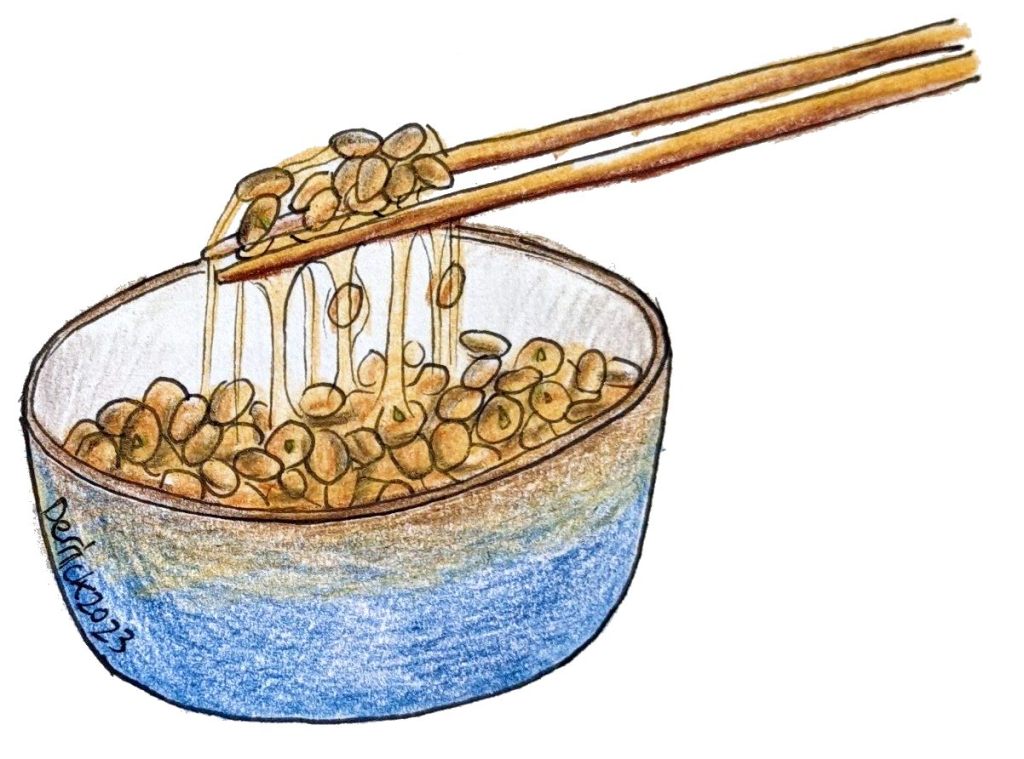
Nattō
Nattō is one the most polarising dishes in Japan, especially for visitors. Nattō is made of soybeans fermented with the bacterium Bacillus subtilis var natto. It is usually served cold for breakfast, with rice. Nattō is known for its pungent smell similar to strong cheese, intense flavour, and slimy texture that glues the beans together with sticky strings. It is, however, very nutritious and a source of many dietary minerals.
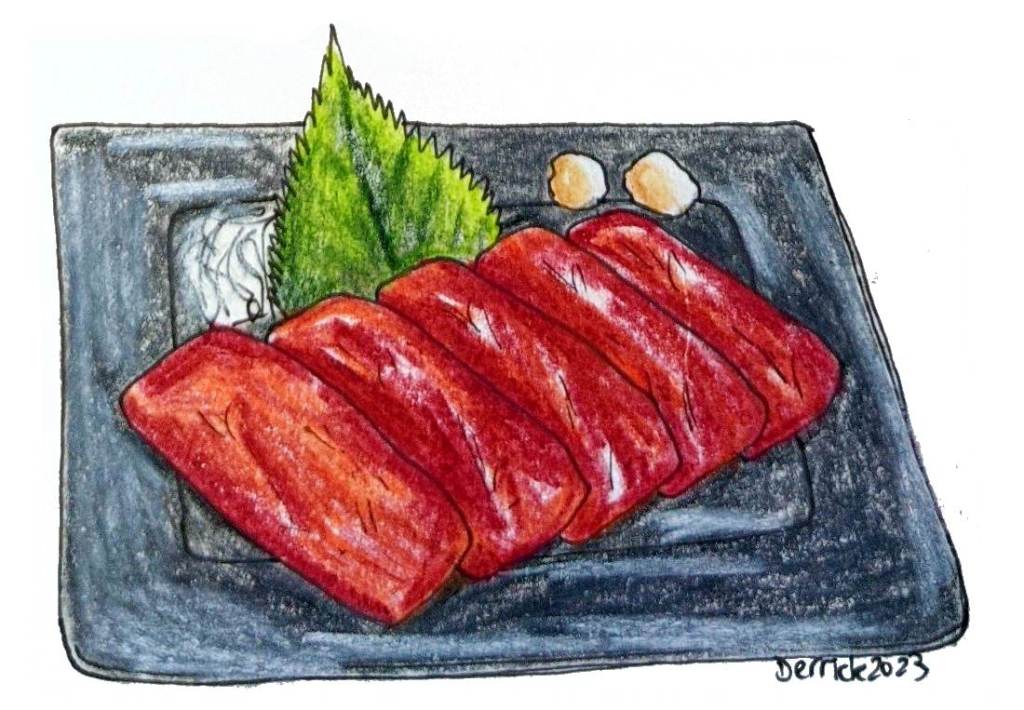
Basashi
A dish for die hard meat lovers, basashi is raw horse meat served thinly sliced. Considered a form of sashimi, basashi is usually dipped in soy sauce, served with onion, ginger, and garlic, and pairs well with sake.
Funazushi
Funazushi probably holds the record for the Japanese dish that takes longest to prepare. It is made by removing the entrails from freshly caught carp, and storing the fish in a salt barrel for 2 years to cure them. Then the fish are rinsed, dried, and left for another year in a barrel of cooked rice to ferment. It is a delicacy prized for its unique taste of sour, salt and umami, with a pungent smell and creamy texture.

Shirako
Shirako, also known as milt, is the male genitalia and fluid containing fish sperm. Similar to the male equivalent of caviar, it has a salty and fishy taste. Shirako comes from fish such as cod (tara) or salmon (sake), and is generally in season during the winter. It is typically blanched and served with ponzu and shiso, but it can also be deep fried as tempura, and pan fried. The name ‘shirako’ translates to ‘white children’!

Fugu (Pufferfish)
Perhaps Japan’s most notorious dish is fugu, also known as pufferfish. Prized for its delicious umami flavour, fugu is usually served as sashimi or in hot pots. However, parts of the fish contain the deadly tetrodotoxin, which can be fatal when eaten, and deaths are recorded every year. Because of the high risk in its preparation, it is a considered a delicacy. Fugu must be prepared by licensed chefs, who train for years to obtain certification to serve fugu.

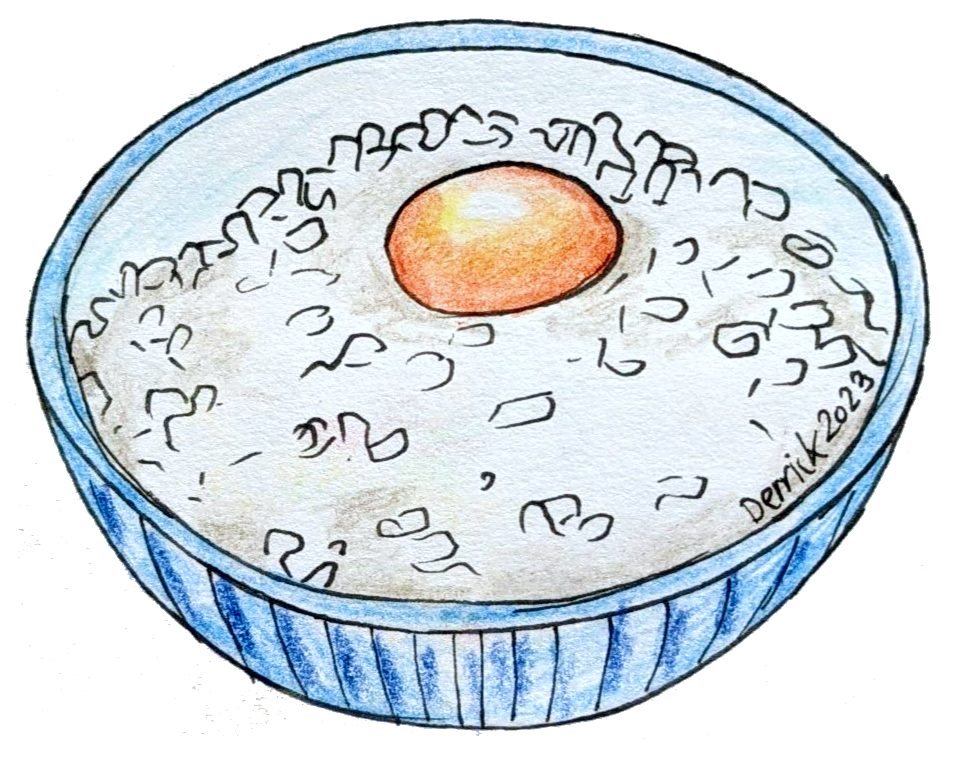
Nama Tamago (Raw Egg)
A simple and delicious Japanese dish, nama tamago is simply a raw egg served on top of rice, usually with soy sauce. Outside of Japan however, the concept might seem strange, especially for those concerned about salmonella risk.
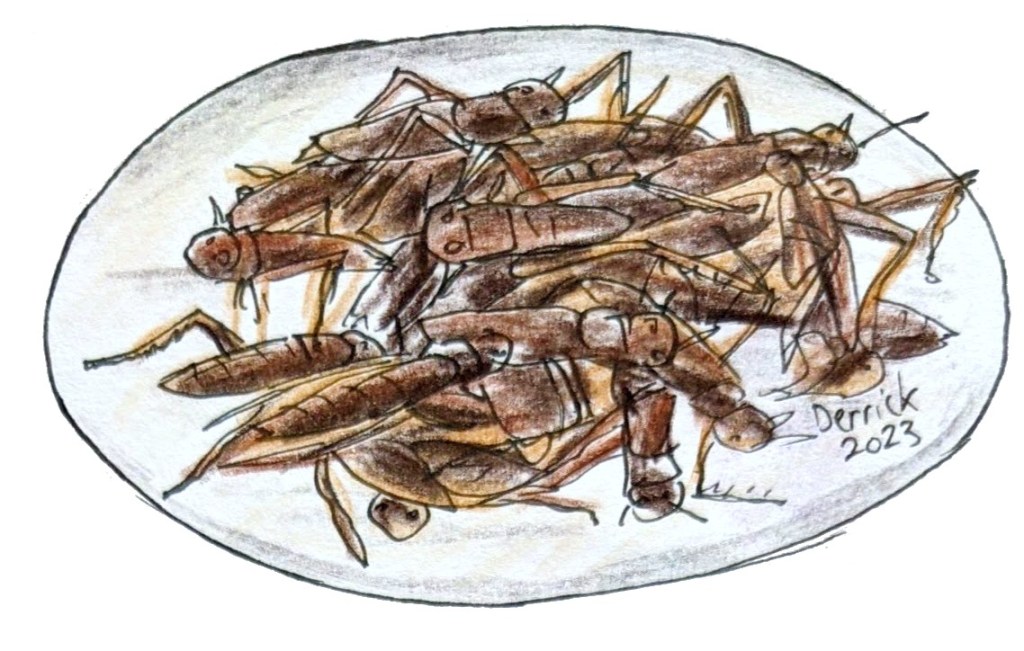
Inago no Tsukudani (Locusts)
Originating from Nagano and Fukushima, inago no tsukudani is made by cooking locusts in soy sauce, sugar, and mirin. Served as a snack alongside beer or sake, or as a side dish with rice, the insects have a crunchy texture and sweet flavour.
***
Japanese cuisine offers plenty of strange dishes to try, for those interested in sampling traditional foods, or trying a challenging new dish. However, Japan is one of the most diverse cuisines in the world, with a wide array of regional Japanese dishes, which I wrote about here!
For must-eat delicious Japanese dishes for all visitors to Japan, click here!

 StickyMangoRice
Sorry, hard no. And I thought I was an adventurous eater, I guess not!