Celebrated throughout cities and towns in Japan, matsuri are Japanese festivals that honour various aspects of life, including nature, history, religion and community. They are often held at shrines or temples, but frequently move into streets, parks, rivers, or other public places, involving thousands of participants. Matsuri can range from solemn religious ceremonies to lively carnivals with music, dance and food.
The word matsuri comes from the verb matsuru, which means ‘to honour’ or ‘to celebrate the gods’. Matsuri were originally rituals to express gratitude and reverence to the kami (Shinto deity or spirit), who were believed to reside in nature and influence human life. Many Matsuri are religious in nature, and seek to to honour gods of Shintoism for blessing and protection.
Types of Matsuri
There are many types of matsuri. Matsuri vary according to the region, season, shrine, deity and purpose. Some matsuri are held across the country, such as New Year’s Day (Shogatsu), Doll Festival (Hina-matsuri), Star Festival (Tanabata), and Children’s Day (Kodomo no hi).
Others are unique to a particular place, such as Gion Matsuri in Kyoto, Nebuta Matsuri in Aomori and Awa Odori in Tokushima. There are matsuri commemorating historical events, such as Jidai Matsuri in Kyoto, which celebrates the 1100th anniversary of the founding of Heian-kyo by Emperor Kanmu. Others celebrate seasonal events such as cherry blossom viewing (Hanami), rice planting (Taue) and harvest (Niiname-sai).
(There’s even one belly-button themed matsuri!)
Matsuri usually consist of two parts: the ritual of worship, and the joyous celebration. The ritual often involves purifying oneself, offering food and drinks to the kami, reciting prayers and performing music and dance. The celebration involves feasting, parading, playing games and enjoying entertainment.
One of the most common features of matsuri is the mikoshi (portable shrine), which carries the spirit of the kami around the neighborhood to bless the people and places along its route. Another feature is the dashi (float), which is a decorated carriage that displays scenes from mythology, history or folklore.
Matsuri are not only occasions for religious devotion, but also for social interaction, cultural expression and community bonding. They provide opportunities for people to connect with their ancestors, nature and each other. They also showcase the creativity, skill and spirit of the Japanese people. Matsuri are an integral part of Japan’s identity and heritage, and a source of joy and pride for its people.
History of Japanese Matsuri
The origins of matsuri festivals date back to the Heian period (794-1185), when they were religious events held to appease the gods and bring peace and prosperity to the city of Kyoto. Over time, matsuri festivals evolved into more secular events that were celebrated for a variety of reasons.
One of the oldest and most famous matsuri festivals in Japan is Gion Matsuri, which is held annually in the Gion area of Kyoto during July. The festival dates back to around 869, held to drive away evil spirits thought responsible for disease epidemics. Today, it is known for its elaborate floats (up to 25 metres tall, weighing 12 tons!) and traditional costumes.
Nozawa Dosojin Himatsuri is another of Japan’s oldest and largest matsuri festivals, first held in the 1600s. Taking place in Nozawa Onsen, the male participants (aged 25 and 42, deemed to be unlucky ages) build a huge wooden structure called a shaden, adorned with a Dosojin, a deity. A fire setting battle takes place, in which villagers attempt to burn down the shaden, defended by the 25 year olds.
Today, Matsuri are ubiquitous throughout Japan, held for a variety of reasons, and with different themes.
Examples of Matsuri
Here are some examples of famous and unique matsuri that people can enjoy in Japan:
Sapporo Snow Matsuri – Amazing Snow Sculptures
Sapporo Snow Festival is a delightful winter wonderland of snow and ice sculptures. Held every year in Sapporo, Hokkaidō in early February, millions of visitors make the journey north to marvel at the creativity and craftsmanship of the ice sculptors. The sculptures range from realistic replicas of famous buildings (such as traditional castles, Angkor Wat, or Big Ben), famous characters (from Darth Vader to Mickey Mouse to the Sphinx!), and abstract designs and artworks. The festival also features snow slides, ice skating rinks, concerts and fireworks, perfect for people of all ages.
Aonori Nebuta Matsuri – Illuminated Paper Floats
Aonori Nebuta Matsuri, held in the city of Aonori every August, is a large summer festival famous for its giant lantern floats depicting historical or mythical figures. The floats are spectacular, made of fine painted washi paper stretched over a wire frame, depicting gods and mythical figures, and illuminated from within. The festival also features dancers (haneto), musicians and Taiko drummers. The festival culminates with a spectacular display of fireworks over the bay.
Ton Ten Ton Matsuri – The Fighting Shrine Festival
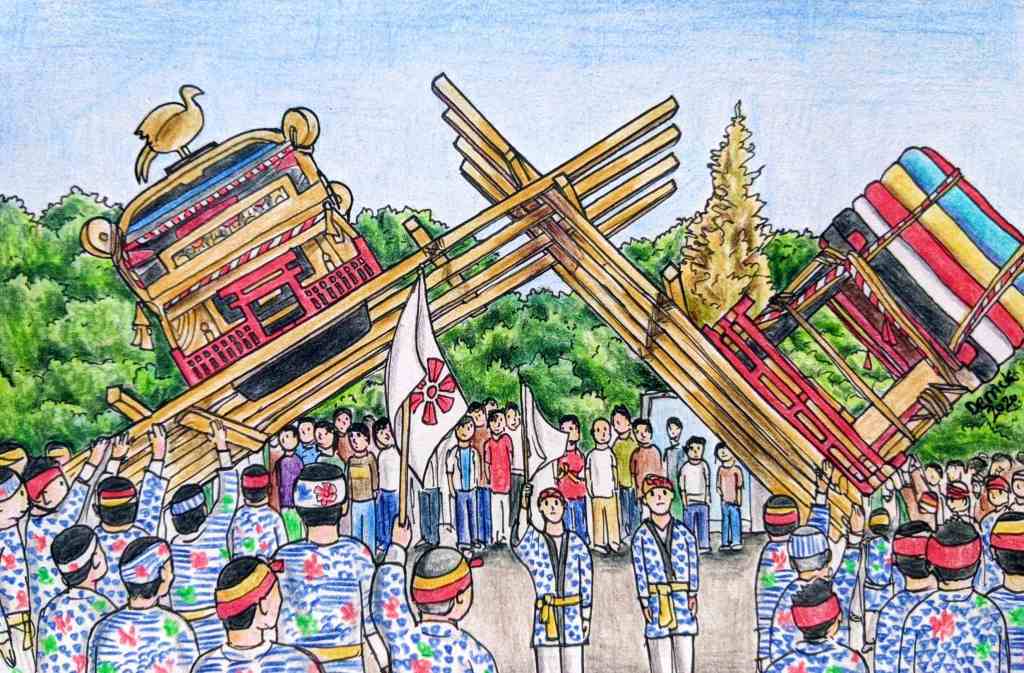
Ton Ten Ton matsuri is a festival that takes place in Imari, Saga prefecture. Named after the sound of the drums that accompany the battles, Ton Ten Ton matsuri features two teams of shrine bearers that clash their huge wooden shrines into each other, until a final showdown beside the river. The winner of the final match determines whether the city will have a good harvest or good fishing for that year. It is a very lively and exciting festival that attracts thousands of spectators – yet is also very dangerous, with injuries recorded from the giant battles.
Yokote Kamakura Matsuri – Festival of Kamakura Igloos
Dating back around 450 years, the Yokote Kamakura Festival transforms the city of Yokote by erecting hundreds of igloo-like snow houses called kamakura. Erected all throughout the city, the kamakura are decorated with candles and shrines inside, whilst other miniature versions are made by children along streets and river banks. Guests can enter the kamakura and enjoy warm amazake (sweet sake) and mochi with the locals.
Sanja Matsuri – Lively Celebration in Asakusa, Tokyo
Sanja Matsuri in Tokyo is a wild, busy spring festival of mikoshi (portable shrines). Held in Asakusa on the third weekend of May, this festival is one of Tokyo’s three big festivals and honors the three founders of Sensoji temple, who are enshrined in Asakusa Shrine. The main procession of the festival features over 100 mikoshi that are carried through the streets by enthusiastic crowds. The mikoshi each hold Shinto kami to bring good fortune to people and businesses in the neighborhoods they pass through.
Tenjin Matsuri – Osaka Boat and Land Procession
One of Osaka’s most spectacular summer festivals in Tenjin Maysuri. Held every year in July, this festival is one of Japan’s three great boat festivals and celebrates the deity of Sugawara Michizane, deity of scholarship, who is enshrined at Osaka Tenmangu Shrine. The first day of the festival is a procession featuring drummers wearing traditional red hats. The land procession of the second day features floats, costumed characters, and umbrella dancers. The mikoshi then moves to the river, where upwards of 100 boats leads the procession along the water, even passing through Dotonbori. In the evening there is a dazzling fireworks show over the river.
Takayama Matsuri – Beautiful and Elegant Floats and Puppets
Enormous and elaborate floats are put on display in Takayama Matsuri, held in the old town of Takayama, Gifu prefecture. Widely regarded as one of the most beautiful matsuri in Japan, it is held twice a year in spring and autumn. The spring festival is for the Hie shrine, and the autumn for the Hachiman shrine. Both feature heavily decorated floats (yatai) with mechanical dolls called karakuri ningyo, as well as the festival’s mikoshi with its kami. In the evenings, floats are brightly illuminated, creating a spectacle enjoyed by thousands of revelers.
Kishiwada Danjiri Matsuri
Held in Kishiwada, Osaka, this Matsuri features an amazing race of 4-ton wooden floats (danjiri) through the streets. 35 teams compete in this feat of strength and endurance, as the floats are pulled by hand at high speed. Standing on top of each one is the daikugata (carpenter), who dances precariously on top.
***
Matsuri are a wonderful opportunity to enjoy Japanese culture and spirit in a festival environment. With food, dance, music, and the parades or other events, they are lots of fun for everyone. If you are planning to visit Japan, make sure to check which dates Matsuri are happening, to see if you can catch one during your stay.
 StickyMangoRice