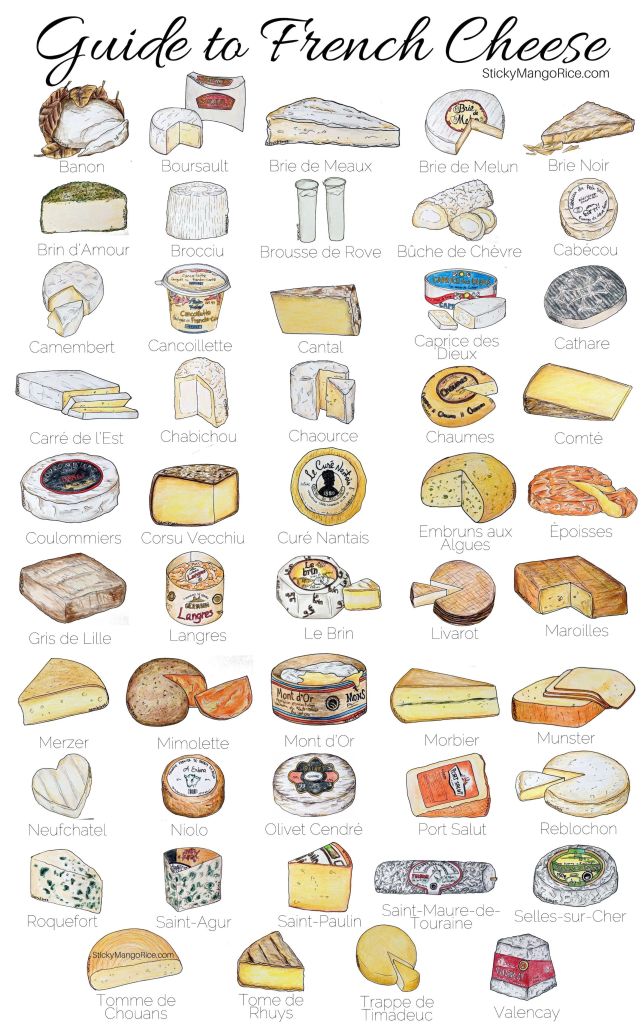
When it comes to amazing cheese, France is one of the undisputed cheese capitals of the world. French cheese has a hugely diverse range, from historic icons perfected over millennia of traditional cheese making techniques, to modern favourites exported all around the world. In fact, France is one of the top 5 countries that eat the most cheese, with over 27kg per capita!
While it’s not sure exactly how many varieties of cheese are made in France (with so many variations and versions), it’s estimated that France has well over 1000 varieties, perhaps even more than 1500. Of these, there is a huge diversity in cheese types, ranging from soft and creamy to hard and crumbly, blue cheeses, and runny cheeses. Some of the most notable and renowned cheeses have been designated L’appellation d’origine contrôlée (AOC), a quality control that guarantees specific production methods, ingredients and geographical location, to ensure the cheese is the real thing.
Let’s go on a cheesy adventure through the world of French cheese! To make it easier to navigate the vast world of fromage Français, let’s explore the different categories of French cheeses.
Jump to a region
- Fresh Cheese
- Pressed Uncooked Cheese
- Blue Cheese
- Soft White Mould Cheese
- Whey Cheese
- Soft Washed Rind Cheese
- Pressed Cooked Cheese
Fresh Cheese
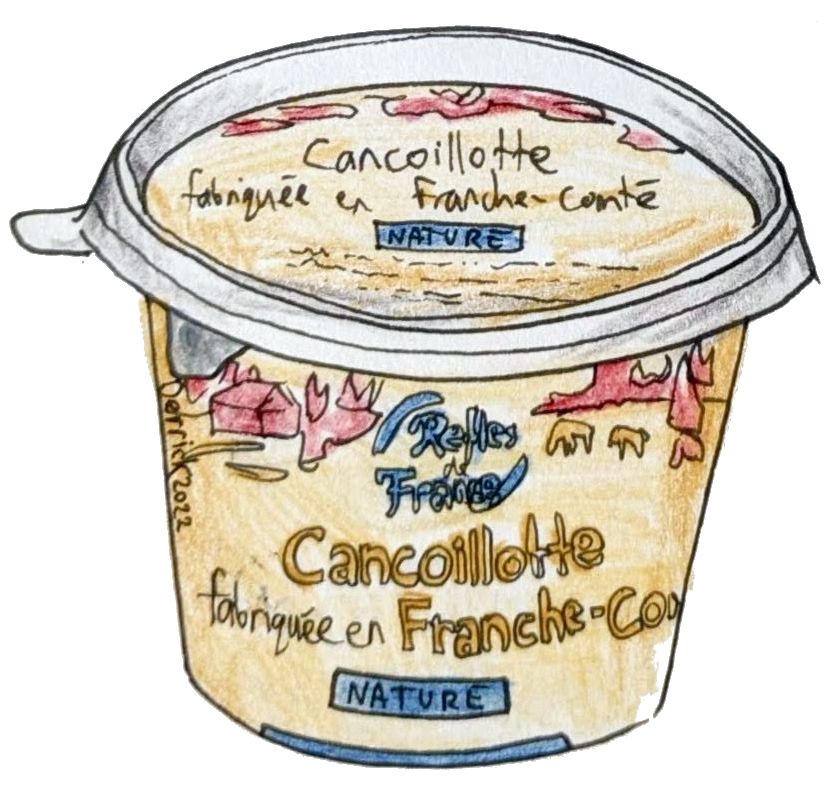
Fresh cheeses are young cheeses of just a few days old with no rind. They are typically creamy or crumbly, with one example being cancoillotte.
Cancoillotte
Cancoillotte is a runny cow milk cheese produced in France-Comté. First mentioned around the 16th century, cancoillotte is made by melting metton cheese over a flame with water or milk, as well as salt or butter. It is eaten in many ways, such as in a fondue, as a sandwich spread, or melted over meat and vegetables.
Pressed Uncooked Cheese
Pressed uncooked cheeses are produced by pressing the curd into a particular shape to remove moisture and speed up the aging process, without using heat to cook the cheese. Textures are usually soft to firm, and have mild tastes. Examples of French pressed uncooked cheeses are morbier and curé Nantais.
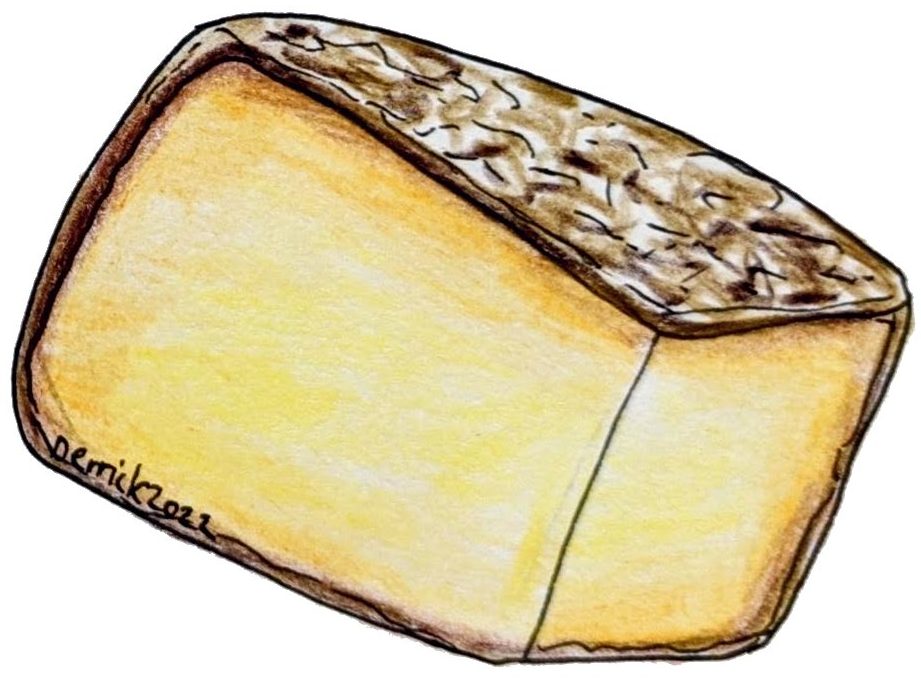
Corsu Vecchiu
Corsu Vecchiu is a traditional Corsican cheese from France, made of pasteurised sheep’s milk. It has a hard brown rind, with a creamy yellow centre. It has a sweet, slightly nutty taste like hazelnut, and mild smell.
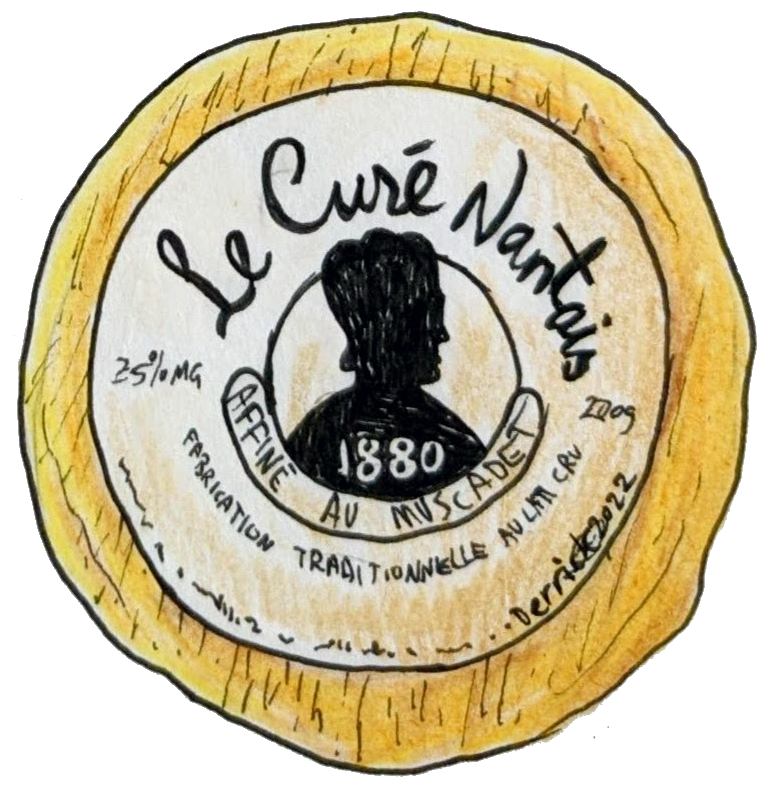
Curé Nantais
Curé Nantais is a sticky and supple cow’s milk cheese from the Anjou region. It has a distinctively smokey and spicy flavour, and pairs well with fish, fruit, and white wines.
Morbier
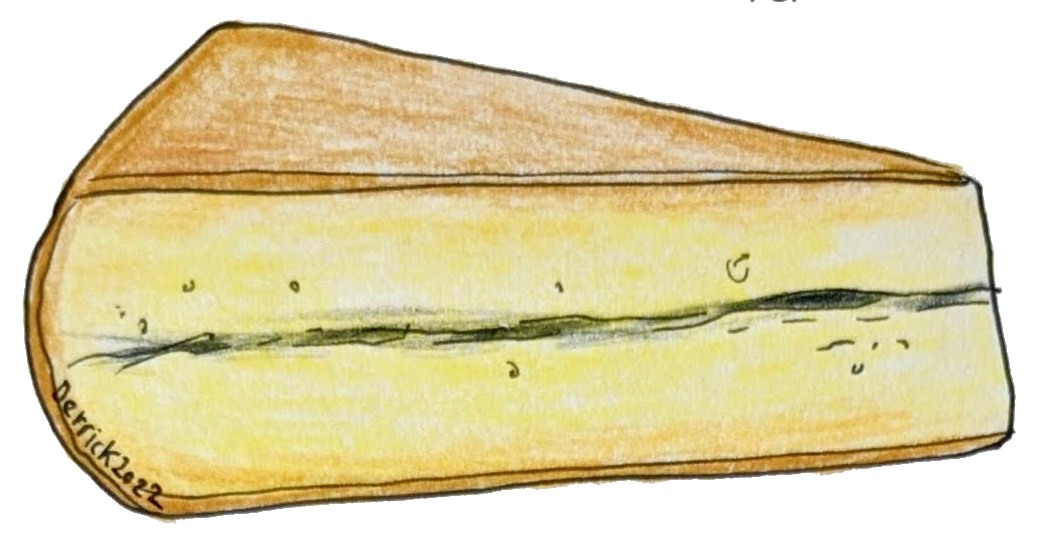
Morbier is a cheese named after the town of Morbier in Franche-Comté. It is a semi-soft cow milk cheese with an elastic texture, and characteristic black stripe of ash running through its centre. Its texture is mild, and the taste is rich and buttery.
Tomme de Chouans
Tomme de Chouans is a mild milk cheese from the Vendée department of Pays de la Loire. It has a soft, chewy and slightly creamy texture and a delicate taste, and a characteristic striped rind.

Trappe de Timadeuc
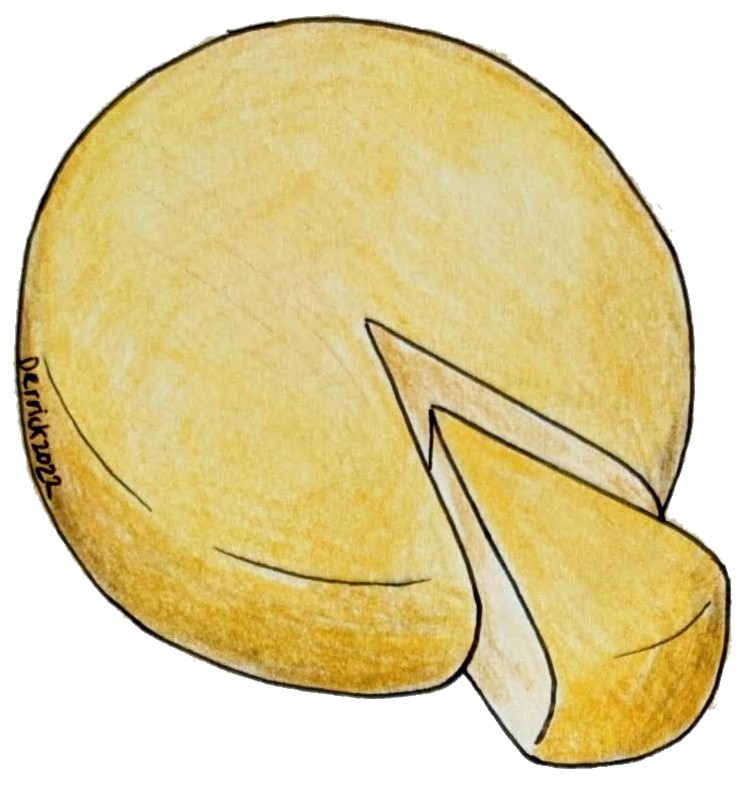
Trappe de Timadeuc is a pasteurised cow’s milk cheese, originally produced by Trappist monks. It is sold in wheels 18-20 wide, weighing about 1.8kg. The rind is yellow and elastic in texture, and it has a mild taste.
Blue Cheese
Blue cheeses are made by introducing cultures of edible moulds, creating distinctive blue or green veins, and a sharp, salty, sometimes spicy taste. Common examples include roquefort and Saint-Agur.
Bleu d’Auvergne
A blue cheese with AOC designation, bleu d’Auvergne is a cow’s milk cheese from the Auvergne region in central France. It has a strong smell, with a creamy and buttery taste.
Roquefort
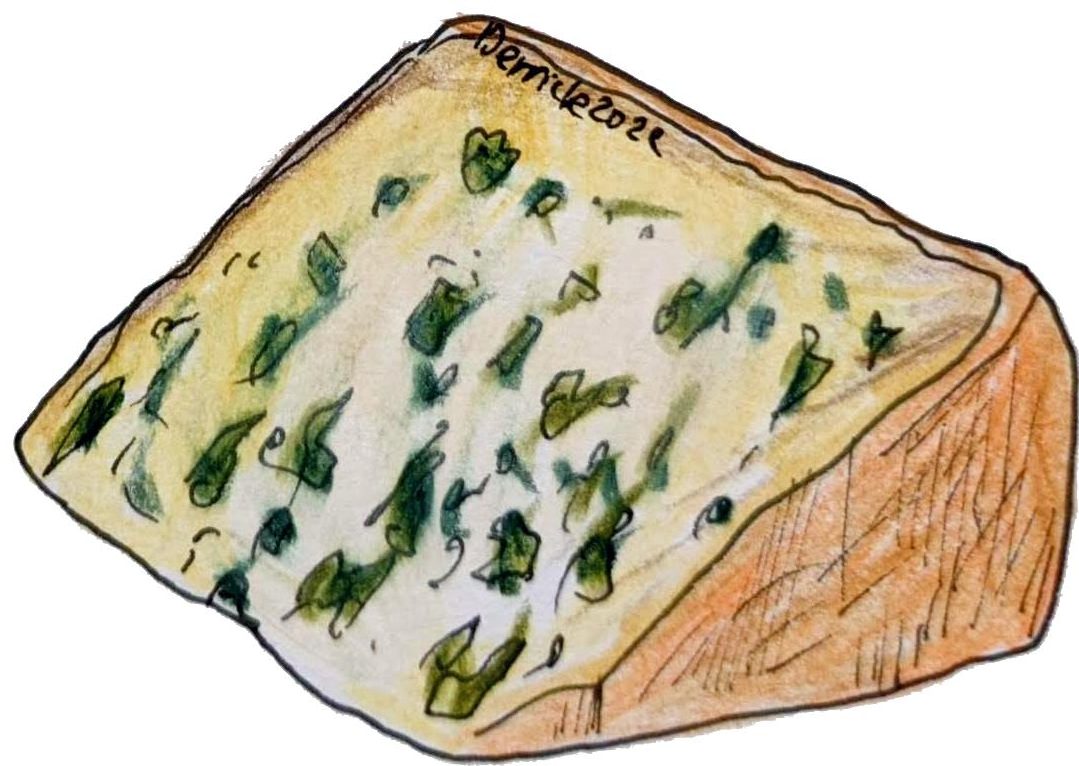
Occitanie is home to one of France’s most iconic blue cheeses, Roquefort. It is a sheep cheese with a sharp and tangy taste, and veins of blue mould. The cheese is classified as appellation d’origine contrôlée (protected designation of origin), with only cheeses aged in Combalou caves of Roquefort-sur-Soulzon considered to be the genuine product.
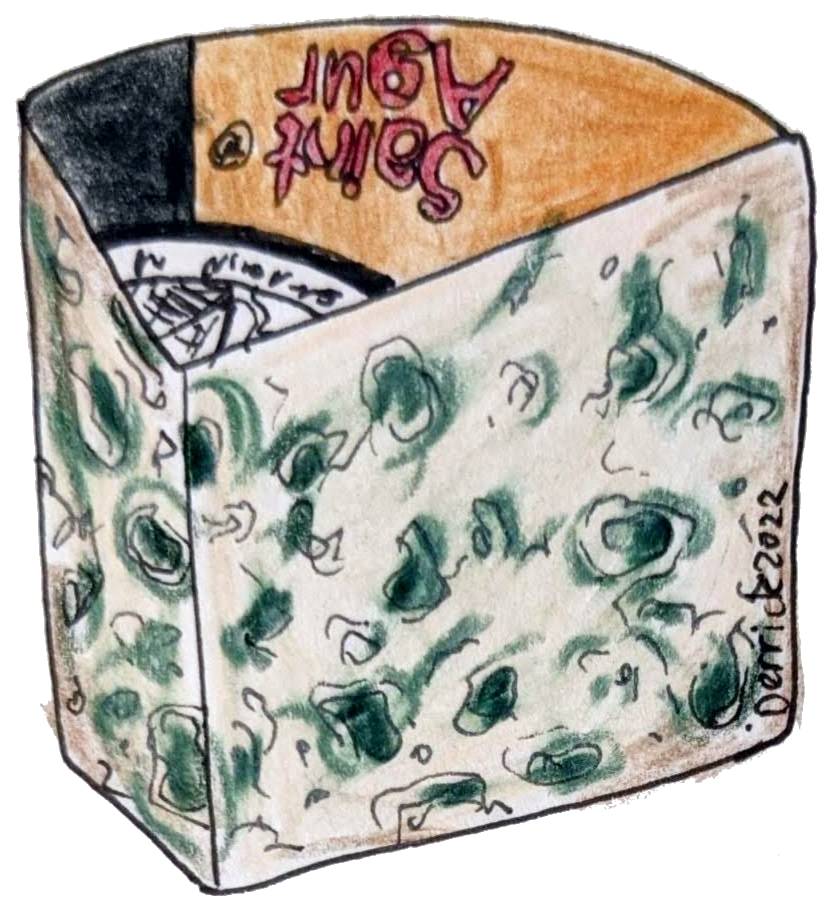
Saint Agur
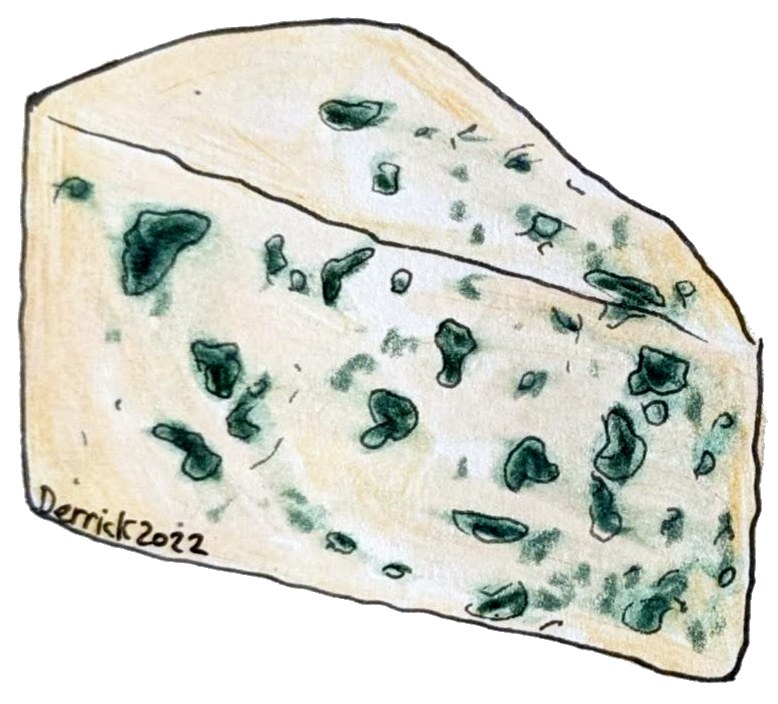
Saint Agur is a pasteurised cow’s milk cheese from the village of Beauzac in Auvergne. Aged for 60 days in underground cellars, it has a moist, creamy texture, buttery and slightly spicy taste, and characteristic green veins of mould. It is produced in 2kg octagon-shaped blocks, for ease in cutting into wedges.
Soft White Mould Cheese
Soft white mould cheeses have a layer of white mould, often Penicillium camemberti on the rind. They are surface ripened cheeses that often have rich and creamy centres. Common examples include brie and camembert.
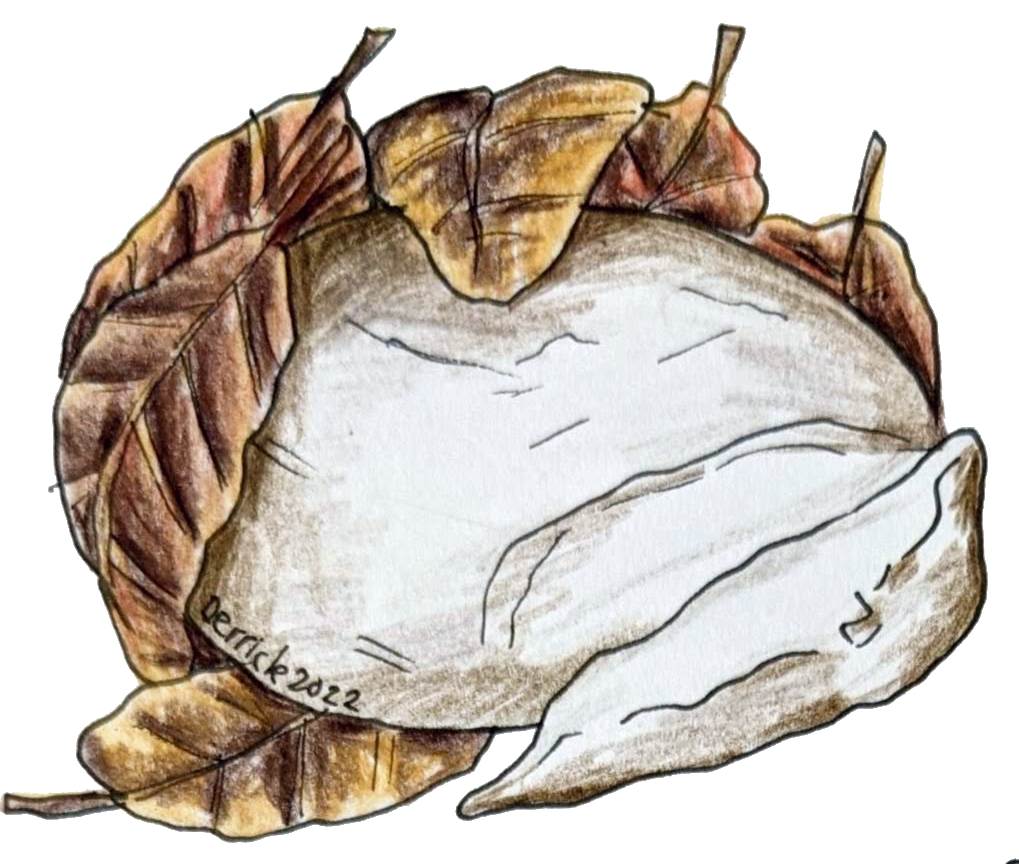
Banon
Banon cheese is produced around the town in Banon in Provence. Thought to have existed since Roman times, it has AOC status. It is an unpasteurized and soft-ripened goats milk cheese with a distinctive wrapping of chestnut leaves and raffia. The cheese has a smooth, creamy and sticky texture, and a strong woody flavour with fruity notes.
Brie de Meaux
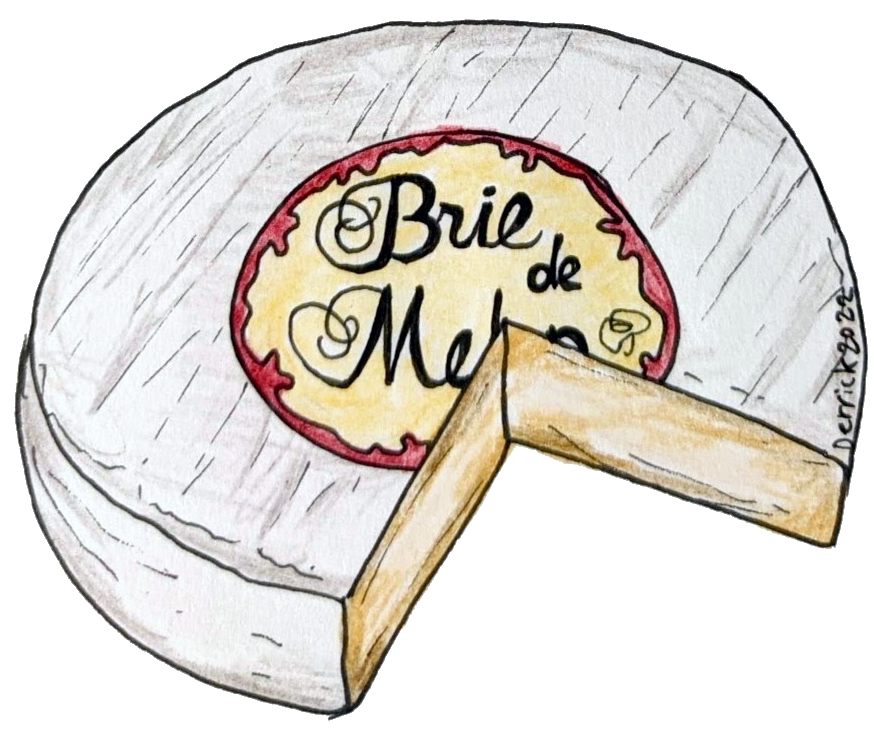
Île-de-France is the birthplace of one of France’s most famous and beloved cheeses, Brie de Meaux. It is a soft-ripened cow’s cheese, and was the model for Camembert from Normandy. Originating from the region of Brie (modern day Seine-et-Marne), brie was first produced around the 7th century by monks of Meaux and Melun. It is said that the Emperor Charlemagne himself stopped at the Priory, and loved the cheese so much, he had it regularly sent to his castle in Aachen.

Brie de Melun
Brie de Melun is sometimes considered to be the first of all brie varieties. Made with unpasteurised cows milk, it is a semi-soft cheese left to ripen about 4-5 weeks. The taste is creamy, and slightly sour and salty, with a strong odour.
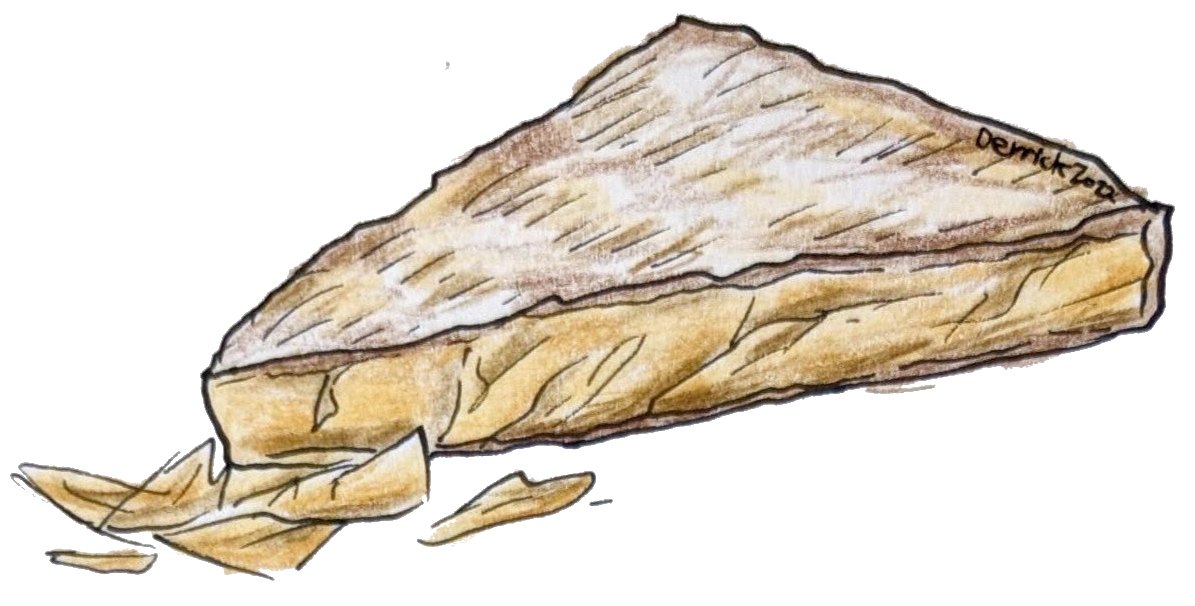
Brie Noir
Brie is a familiar cheese throughout the world, but in Seine-de-Marne a variation exists called Brie Noir. Instead of being aged for 5-10 weeks like a standard brie, brie noir is left to mature for up to 2 years, giving it a dark colour and crumbly texture. Its taste is stronger than standard brie, with earthy tastes of mushroom.
Boursault
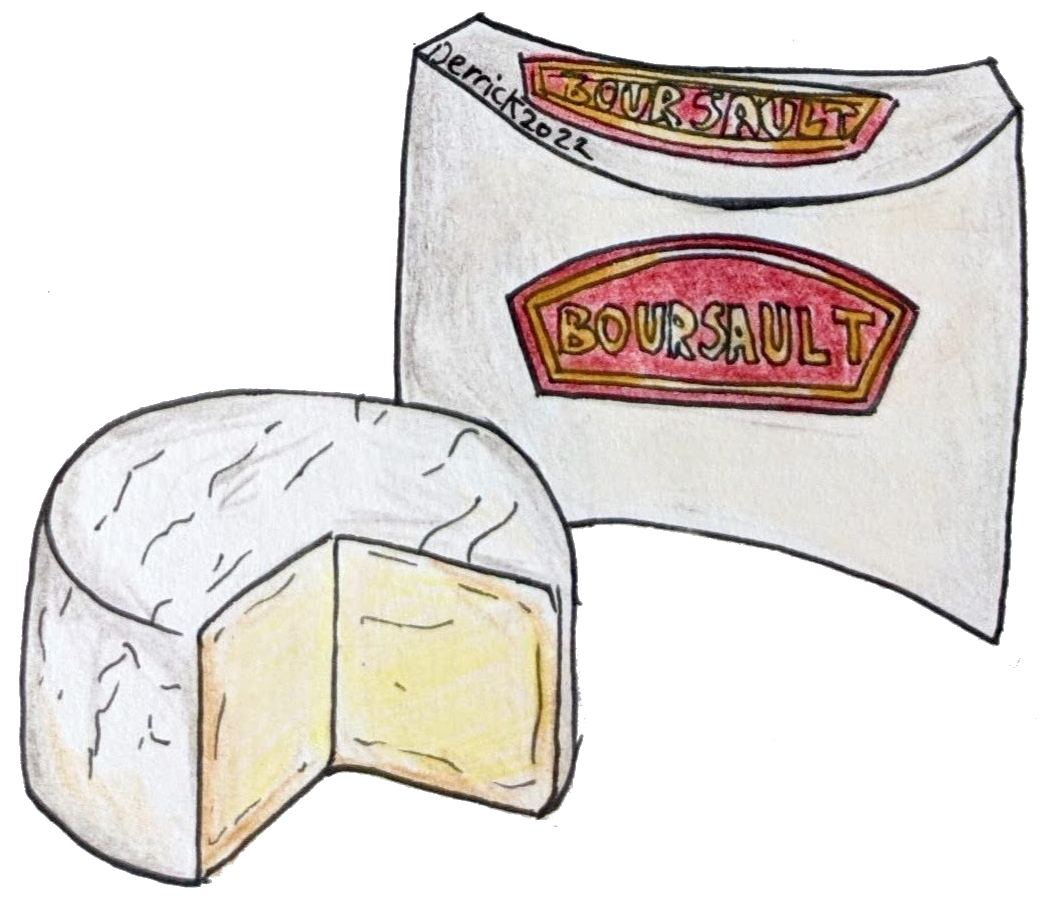
First produced in the Val-de-Marne region, Boursault is a triple cream cheese similar to brie, made with pasteurised cow’s milk. It has a bloomy rind with a soft centre ideal for spreading. Boursault has a very high content of fat (around 75%), giving it a soft and creamy consistency and buttery, salty taste.
Bûche de Chevre
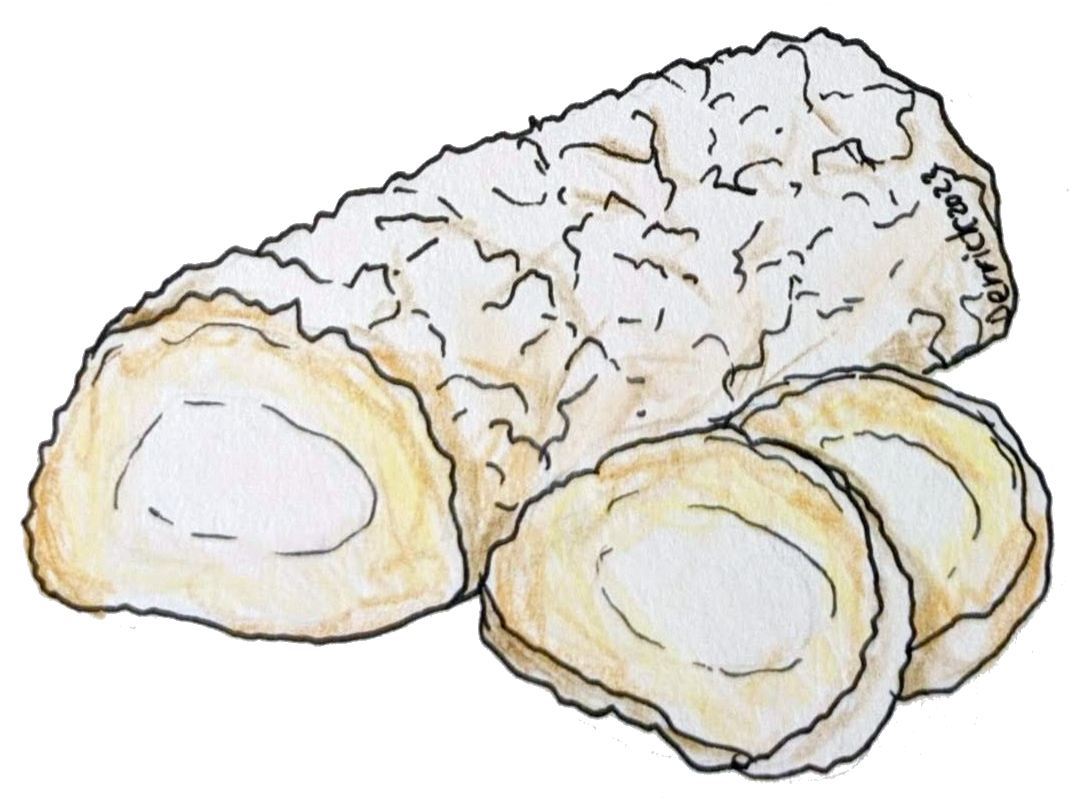
One of France’s most popular goat cheeses is Bûche de Chevre, a pasteurized cheese from the Poitou region. Sold in small logs, the cheese is ripened for 7-14 days, giving a firm edible rind, with a soft and creamy interior. It has a strong smell and bold taste, and is commonly used in salads or quiches.
Cabécou
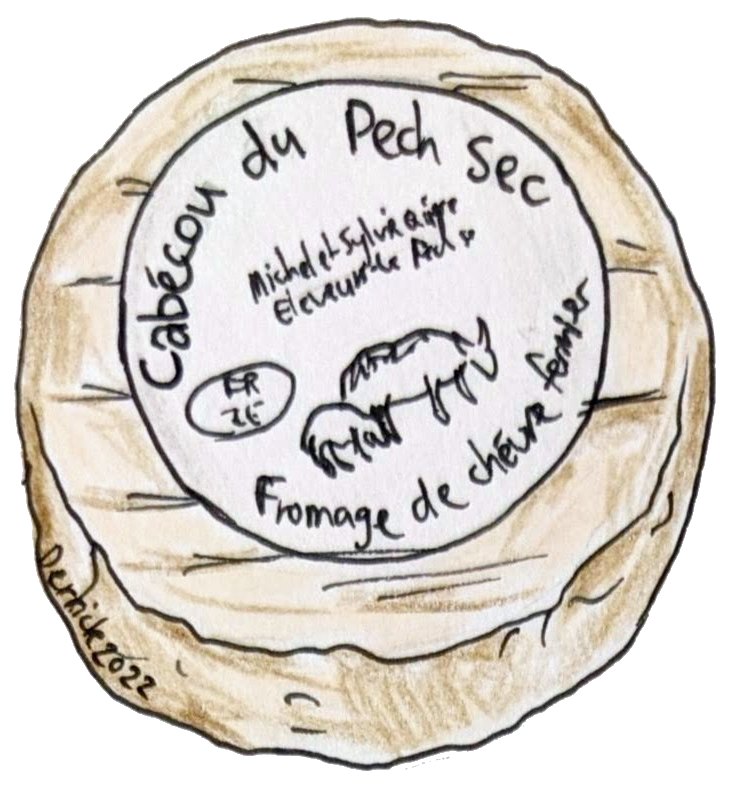
From Périgord in the Midi-Pyrénées, Cabécou is a goat’s milk cheese which comes from the Occitan words ‘cabre’ and ‘cou’, meaning ‘little goat’. It is a raw milk cheese with a creamy, gooey consistency.
Camembert
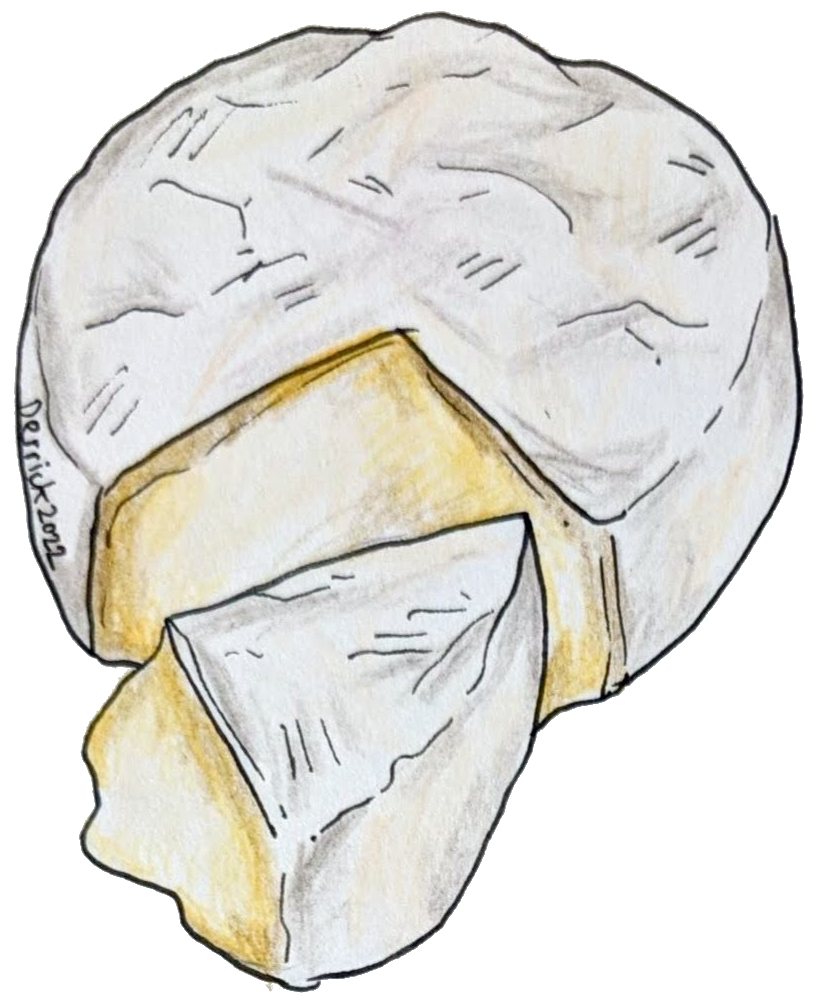
The most famous cheese out of Normandy is none other than Camembert, a wheel of soft, creamy cheese made from pasteurised or unpasteurised cow’s milk. Now found all over the world, the first camembert was produced in the 18th century in the small commune of Camembert. It is similar to Brie, with a white bloomy rind and yellow centre. The texture is soft and smooth, and the taste is creamy, buttery, milky, and slightly sweet. It pairs well with Normandy cider, or light red wine.
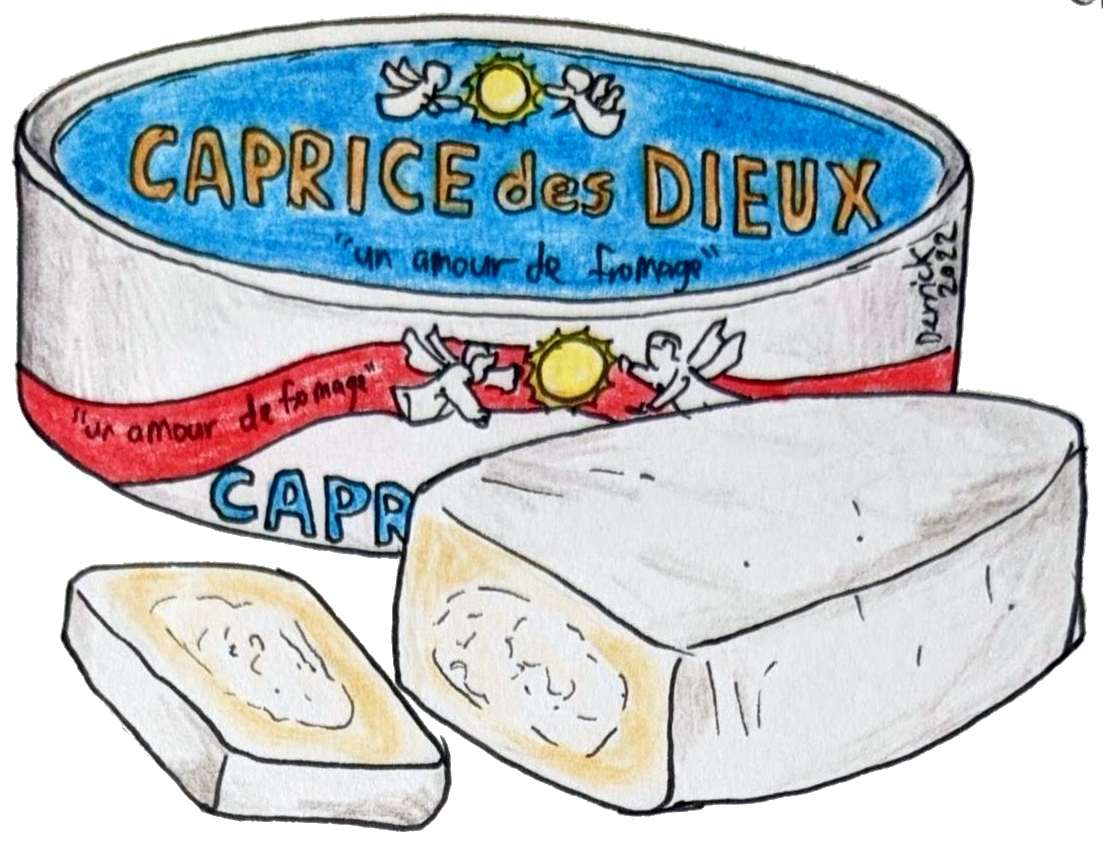
Caprice des Dieux
Caprice des Dieux is a commercially-produced cow’s milk cheese, with a bloomy rind and a creamy, mild taste. One of France’s most popular cheeses, it is sold in over 150 countries worldwide.
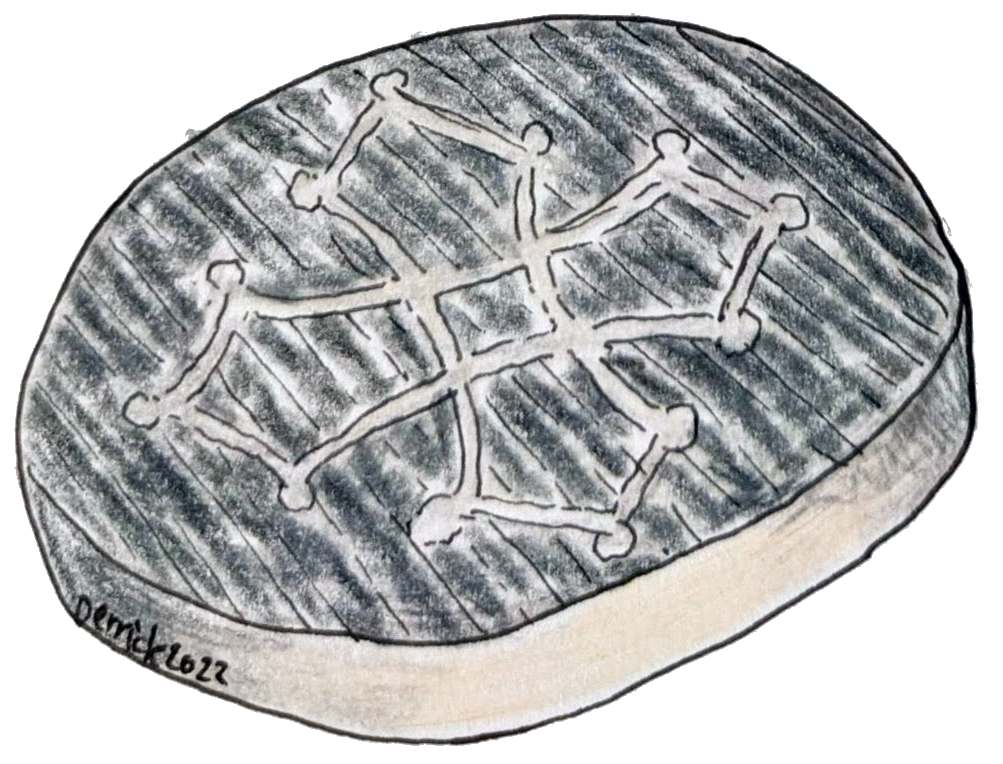
Cathare
Cathare is a creamy raw goats milk cheese that comes in flat, round disc shapes. Produced in the Languedoc-Roussillon region, it is notable for its layer of charcoal powder, decorated with the Occitan cross. It has an intense taste and soft, creamy texture.
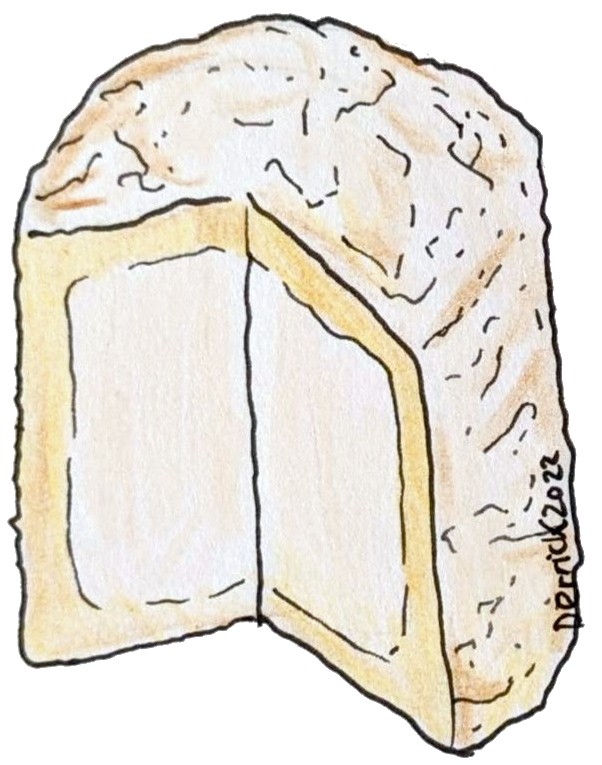
Chabichou
Chabichou is an unpasteurized goat milk cheese produced in the Poitou region, and had AOC status that protects its authenticity. It is sold in small cylinders called bondes. Aged 10 to 20 days, it has a wrinkled rind, with a smooth centre that has a strong goat cheese taste, slightly tangy and salty. It pairs well with wheat beer or cider.
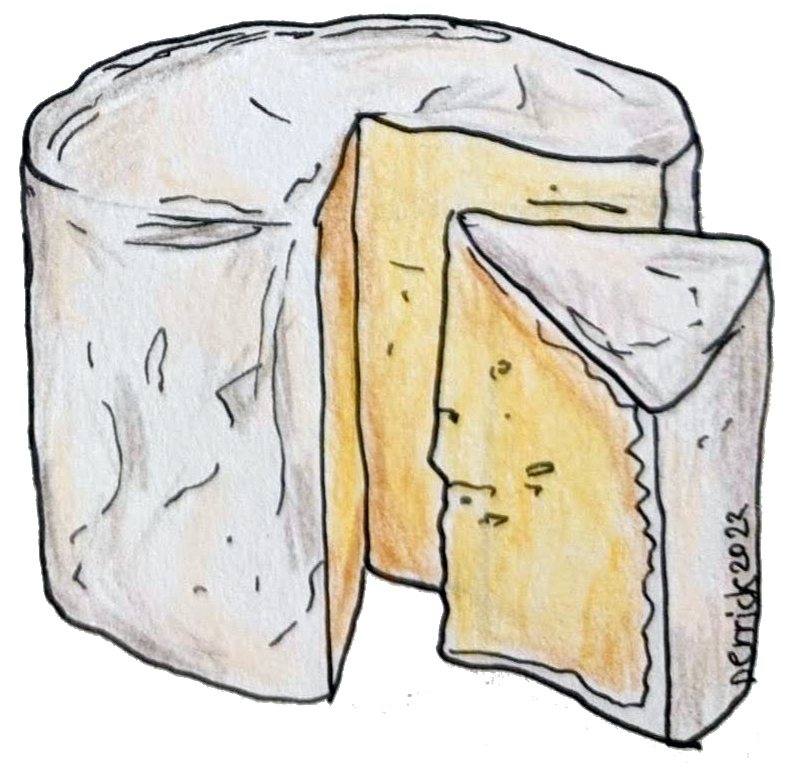
Chaource
Chaource cheese, named after the village of the same name in Champagne-Ardenne, is a cow’s milk cheese sold in small cylinders. Measuring about 6cm high and 250g, the cheese has a Penicillium candidium rind, and a creamy and crumbly centre. It has a mild, buttery, milky taste.
Coulommiers
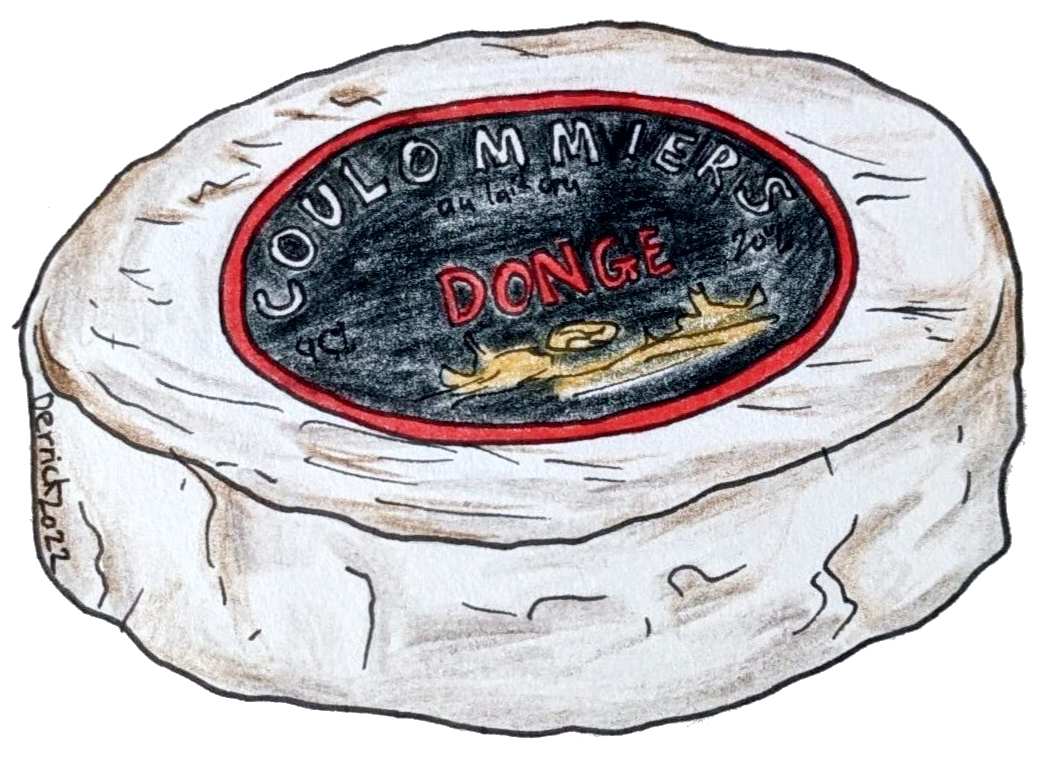
Coulommiers is a soft-ripened cheese made of cow’s milk. It is from the Seine-et-Marne department, and is sold in wheels with a white bloomy Penicillium candidum rind. It is similar to Brie, and can be made with raw or pasteurised cow’s milk, and generally has a buttery texture and nutty flavour.
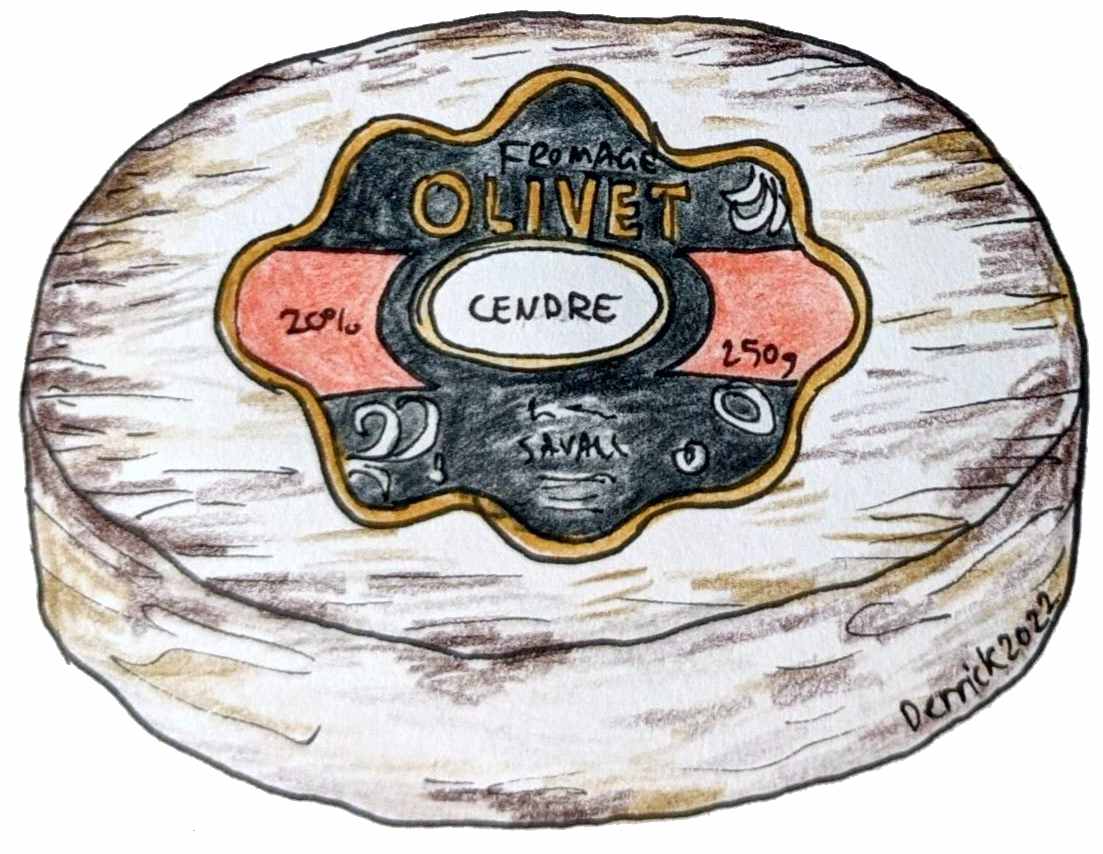
Olivet Cendré
Olivet Cendré is a cow’s milk cheese produced in the Loire valley town of Olivet. It is traditionally aged for 1-3 months in containers of ash of grapevine clippings, giving it a distinctive grey skin. The texture of Olivet Cendré is smooth and supple, with a strong and earthy smell, and a mild taste.
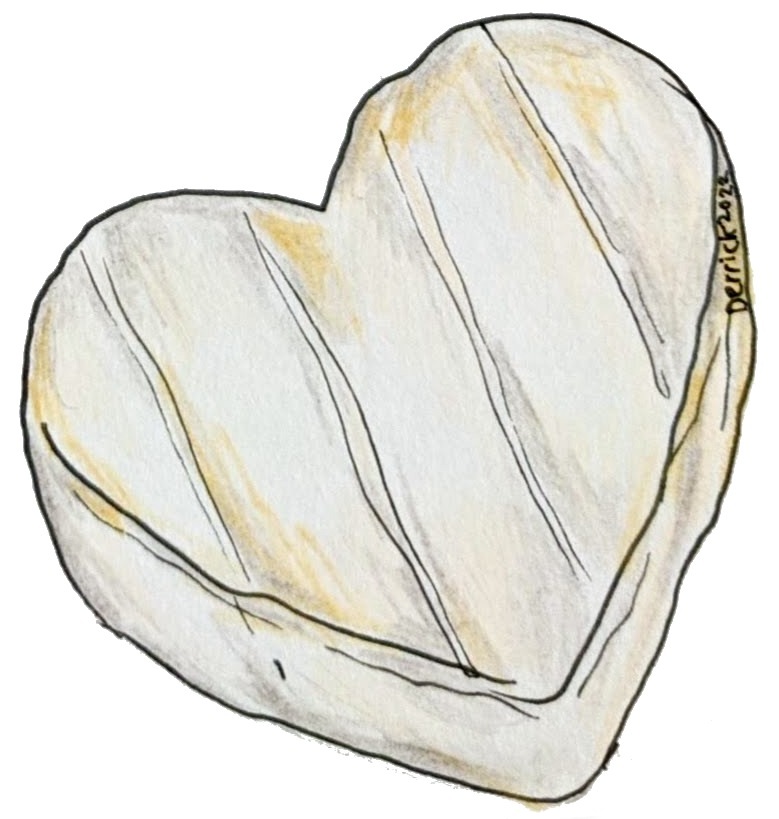
Neufchatel
Neufchatel is one of France’s oldest cheeses, a soft mold-ripened cow’s milk cheese. It is made in Normandy, often formed into heart shapes. Similar to Camembert and Brie, Neufchatel has a soft edible rind with a creamy centre, but the taste is saltier and stronger.
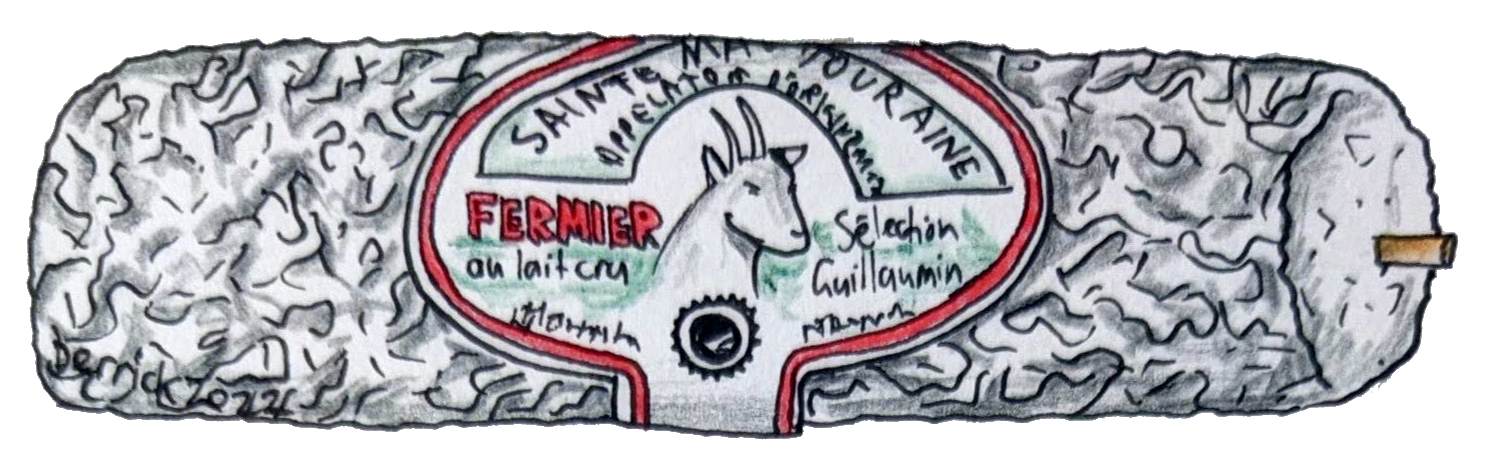
Sainte-Maure-de-Touraine
Saint-Maure-de-Touraine is a soft goats cheese from the province of Touraine. It is an unpasteurised cheese sold in logs 16-17cm long, about 250g. The grey rind is rolled in ash, giving a grey mouldy appearance, and has a length of straw running through it’s centre. The taste is buttery and smooth.
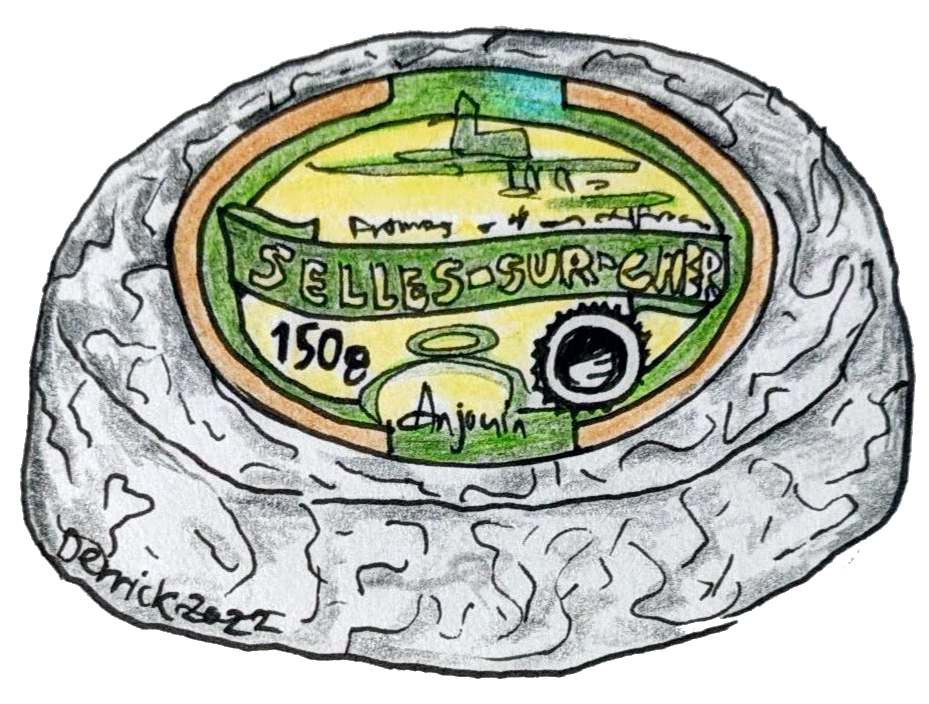
Selles-sur-Cher
Selles-sur-Cher is an AOC unpasteurised goat’s milk cheese from the region of Sologne, Loir-et-Cher. It is sold in small firm cylinders about 8cm in diameter, 2-3cm high, weighing around 150g. The rind has a coating of ash, and each cheese is left in underground caves to mature. It has a strong goat’s cheese flavour, with a soft and moist texture and a musty aroma.
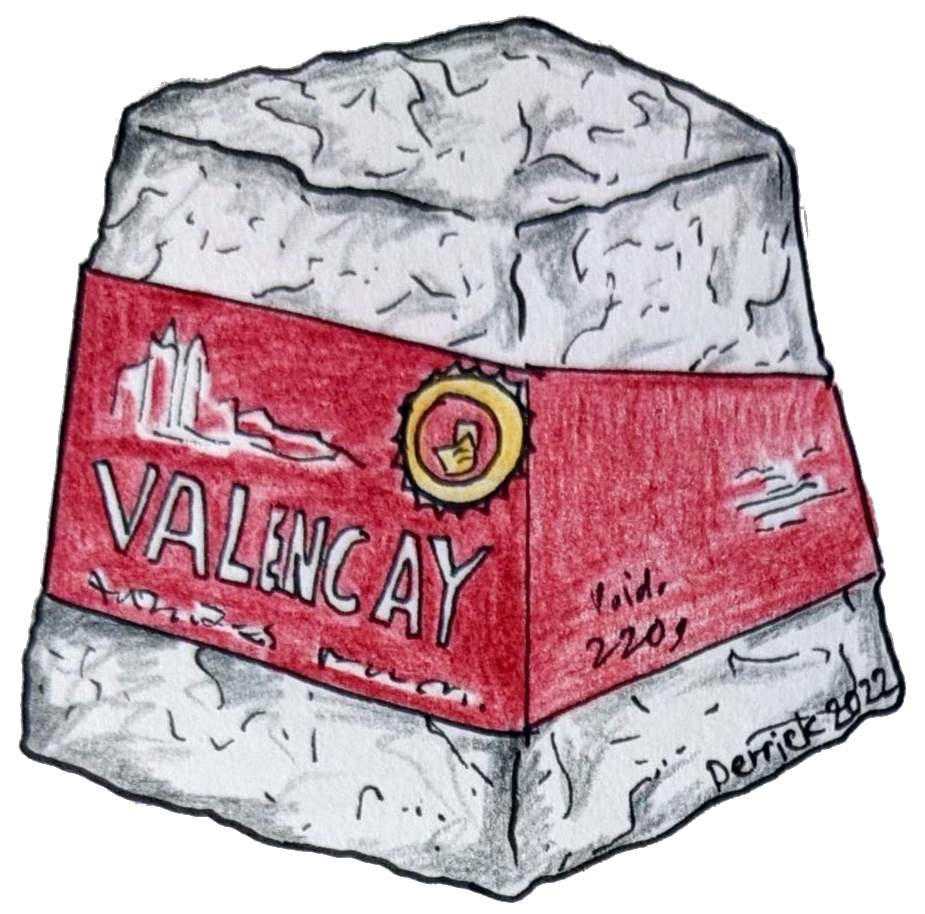
Valencay
Valencay cheese is an AOC cheese produced in the region of Berry. It is an unpasteurised goat’s milk cheese sold in distinctive pyramid shapes 7cm high, and around 250g. Legend has it that when Napoleon visited the castle at Valençay after his unsuccessful campaigning in Egypt, he drew his sword and cut the top off the cheese pyramid in anger. Valencay has a blue-grey rind caused by natural moulds and light charcoal dusting. After being aged around 3 weeks, it has a nutty, citrus taste and strong goat cheese flavour.
Whey Cheese
Whey cheeses are made using whey, a liquid byproduct made after curdling and straining milk. Whey cheeses are often drier, more crumbly, and more salty than other cheeses. Examples include Corsican brocciu.
Brocciu
Arguably Corsica’s most famous cheese, brocchiu is a whey cheese made from ewe’s milk. Similar in taste and texture to ricotta, brocchiu is often used in cooking dishes and desserts, but also pairs well with white wine on cheese boards. It is creamy, smooth and crumbly, with a mild milky taste.
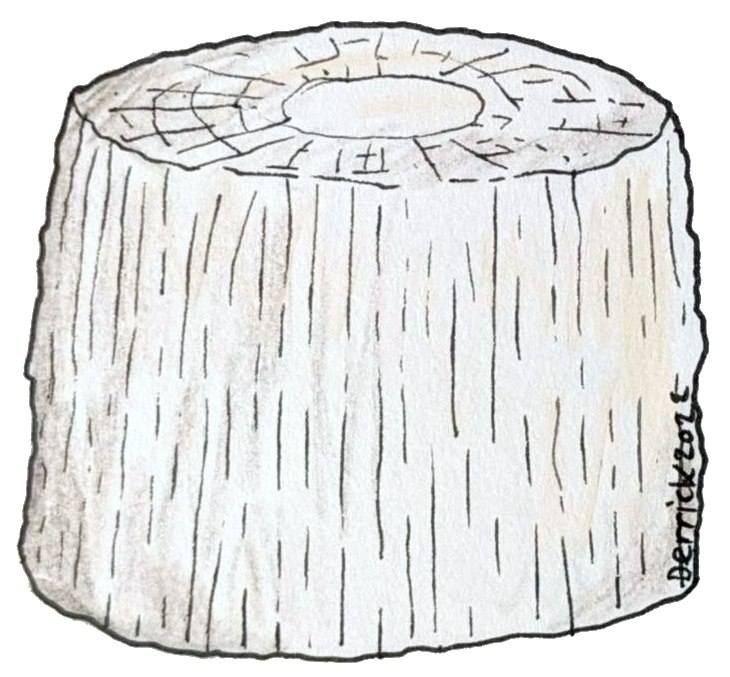
Brousse du Rove
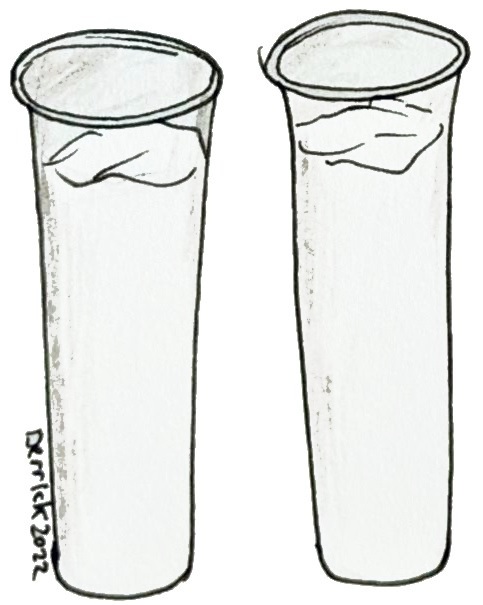
Brousse du Rove cheese is one of France’s oldest cheeses, which was first produced over 2000 years ago. Produced in a village West of Marseille, it can be made of sheep, cow, or goats milk. Brousse du Rove is sold in plastic conical cylinders and has a soft, creamy, sweet milky taste. It is used in cooking, or even eaten as a dessert.
Soft Washed Rind Cheese
Soft washed-rind cheese, also called smear-ripened cheese, are cheeses which are cured with salt water brine or other mould bearing agents during the ageing process. They usually have a firm rind, strong taste, and pungent smell. Examples include munster, époisses, langres, and mont d’or.
Brin d’Amour
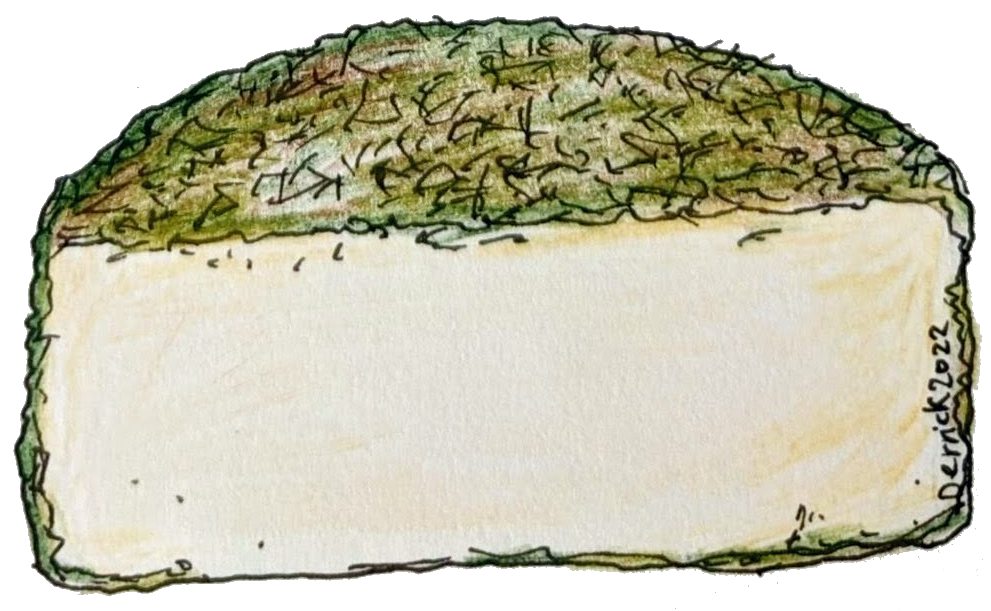
Brin d’amour, which translates to ‘a birth of love’, is a traditional Corsican cheese made with pasteurised cow’s milk. It is a semi-soft cheese with a firm texture, and a natural flavoured rind. The taste is mild, tangy and lightly sour. Brin d’amour is easily distinguished by its herb coating of rosemary, fennel, juniper berries, and sometimes chilli.
Carré de l’Est
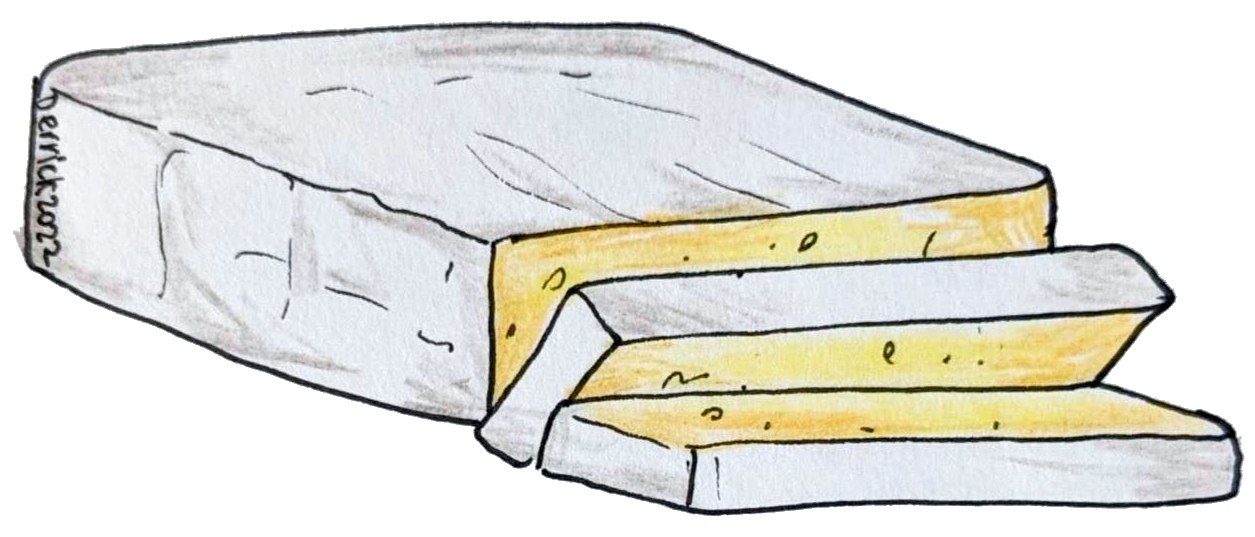
Carré de l’Est is a cheese from Lorraine in France. Translating to ‘square of the East’, it is a cow’s milk cheese aged for 5 weeks, with a washed rind. It has a delicious smoky bacon flavour.
Chaumes
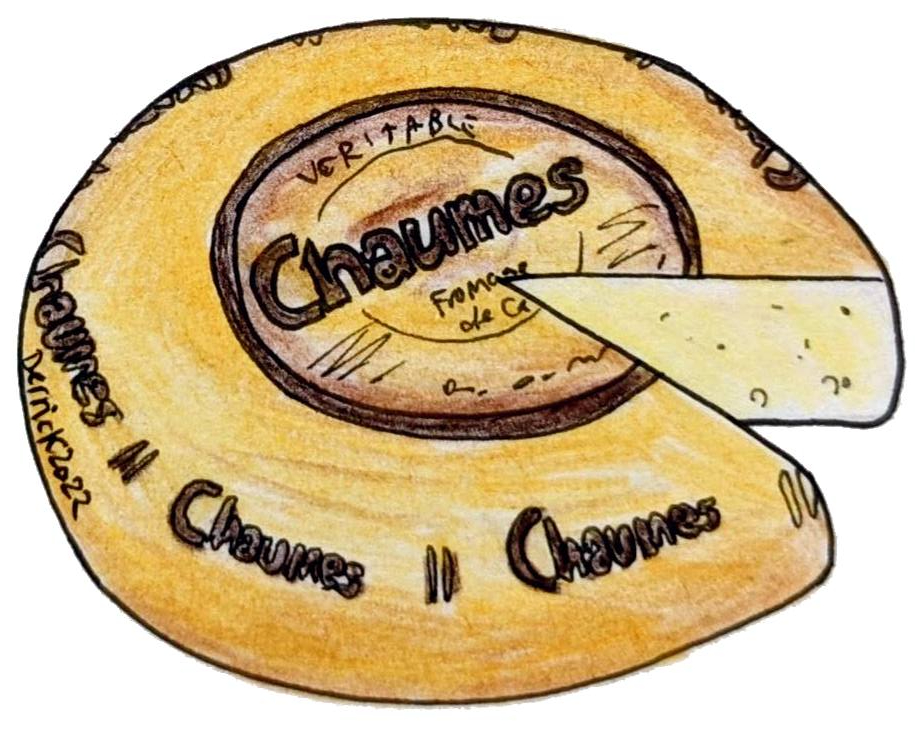
From the former Périgord region, Chaumes is a cow’s milk cheese produced in large wheels. It has a pale colour, and a soft and flexible texture with an aromatic rind. The flavour is rich, and ideal for cooking or eating as part of a platter. Its name translates to ‘stubble’, after its textured orange rind.
Époisses
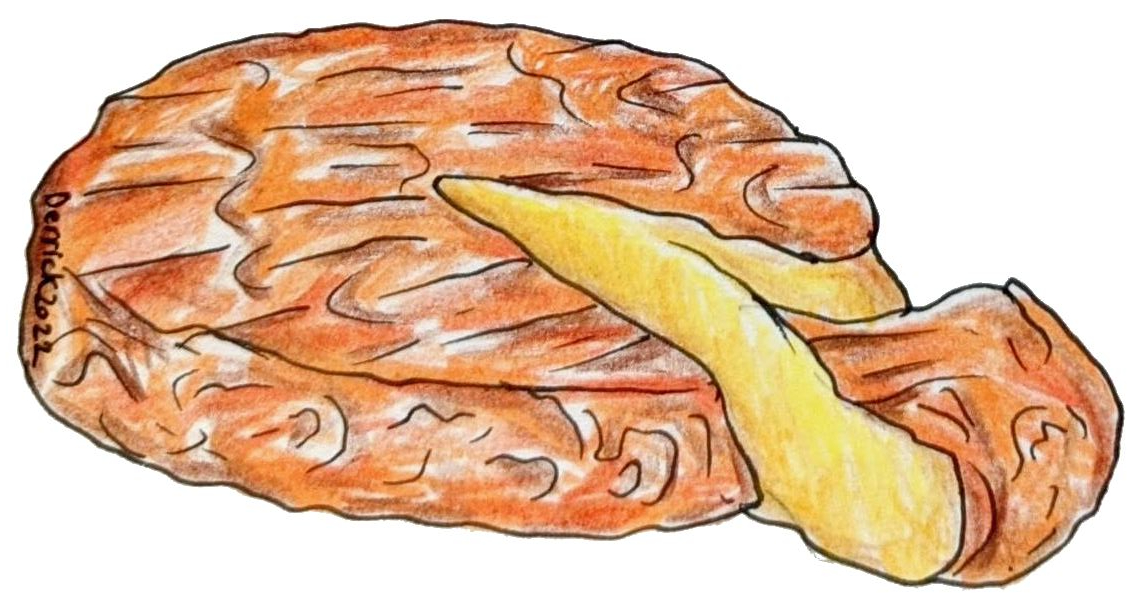
Époisses, also called Époisses de Bourgogne, is a soft smear-ripened, washed rind cow’s milk cheese. Sold in circular boxes about 10-18cm in diameter, it is known for its bright orange rind and famously pungent aroma (rumour has it that it was banned on the Paris metro!). It pairs well with Trappist beer, or sweet wines.
Embruns aux Algues
Embruns aux Algues is a traditional raw cow’s milk cheese from Pays de la Loire. It is mixed with seaweed during the production process, which gives the cheese a sticky texture and a distinctive pink-orange colour. It is aged for about 3 weeks, and has a smooth and moist texture, strong odour, and creamy taste that has a mild seaweed taste.

Gris de Lille
Gris de Lille, somewtimes known as Puant de Lille, is one of France’s most pungent cheeses. Produced in Nord-de-Calais, it is a cow’s milk cheese which is washed in brine for 3 months. It has a semi-soft texture, a sticky grey rind, and a strong, salty taste, and pairs well with strong beer or black coffee.
Langres
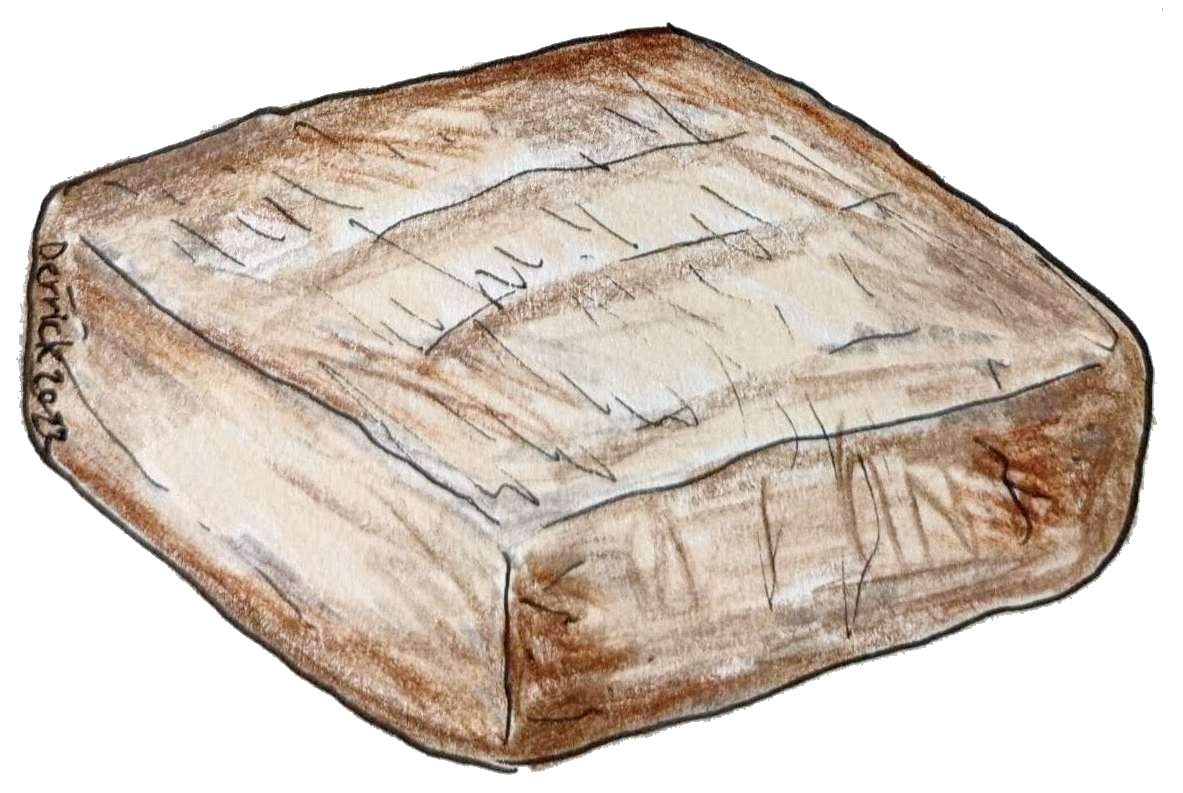
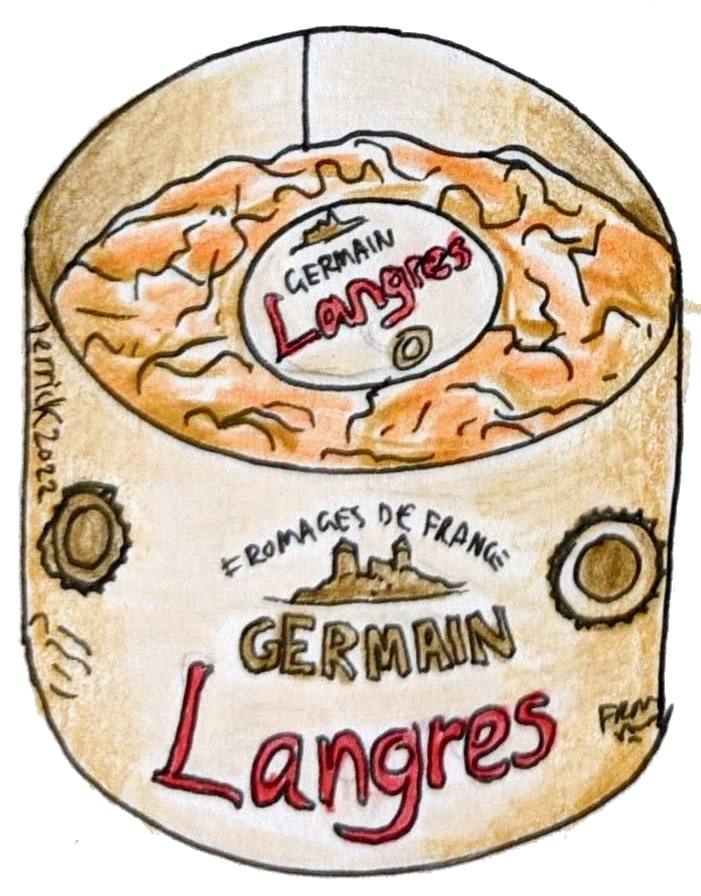
Langres is an AOC cow’s milk cheese which comes from the Langres plateau in Champagne-Ardennes. It is sold in cylinders about 180g with a soft washed rind of Penicillium candidum, and a creamy centre. The taste is rich and moist, and matches well with Burgundy wine or Champagne.
Le Brin
Le Brin is a soft cow’s milk cheese with a washed rind, from the Rhône-Alpes region. It is typically sold in hexagonal shapes. The texture of Le Brin is creamy, with a mild, nutty, buttery and sweet taste. It is easy to spread and is commonly eaten with bread.

Livarot
Livarot is an AOC cow’s milk cheese from Normandy. It is a washed rind cheese with a strong smell, and sold in characteristic 450g cylinders with an orange rind, and wrapped with dried reedmace. These stripes, similar to the bands of military insignia, give it the nickname ‘The Colonel’. It has a full-bodied taste, with nutty, slightly citrus notes.
Maroilles
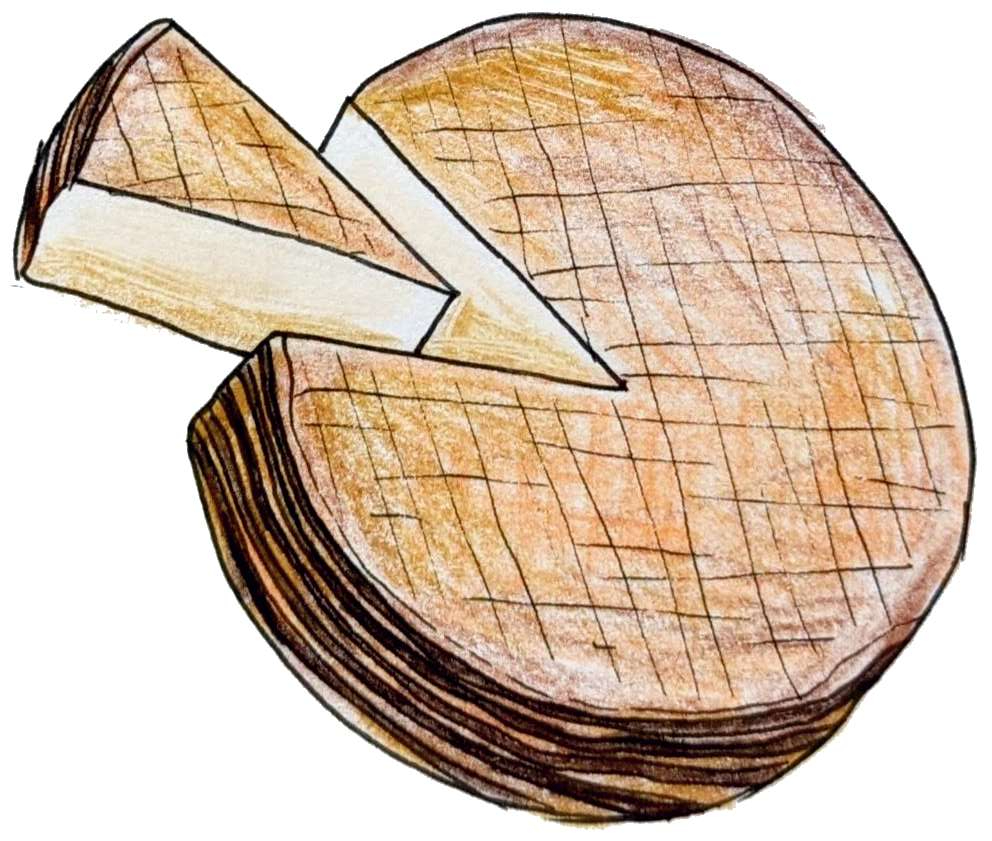
Maroilles is an AOC cow’s milk cheese from Picardy and Nord-Pas-de-Calais. It is produced in rectangular blocks, with a distinctive orange rind and yellow inside. It is said to date back to the 10th century. It has a soft, oily, slightly sweet taste.
Merzer
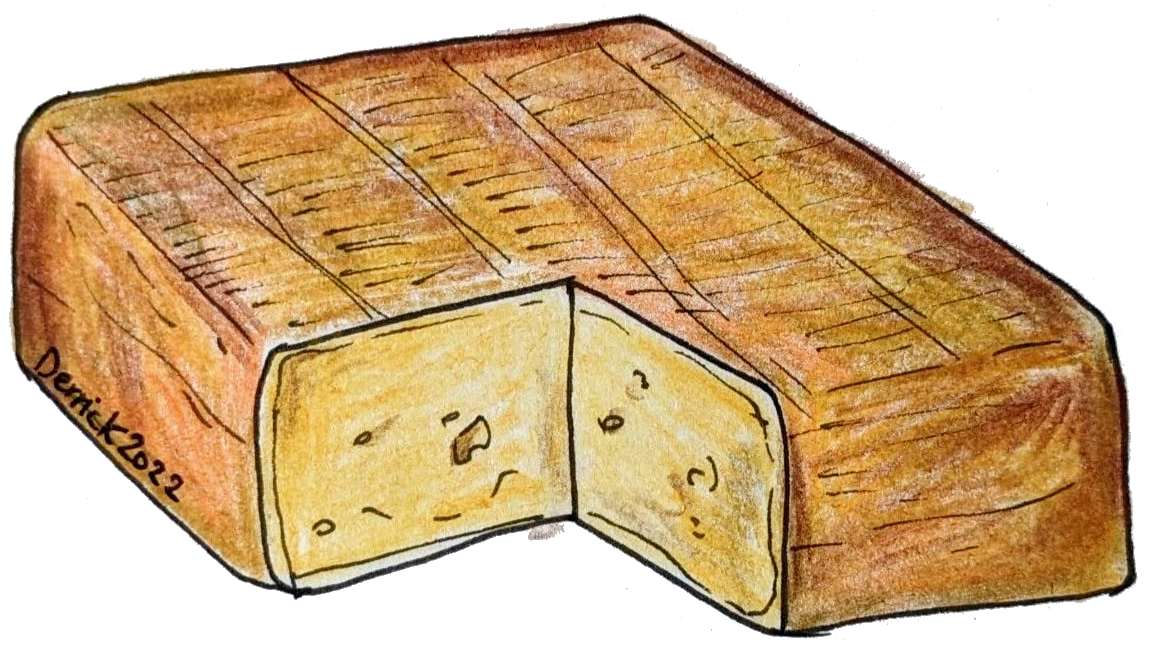
Merzer is a Breton cheese with a low fat content. It is made with pasteurised cow’s milk, and has a creamy texture and slightly sweet taste.
Mont d’Or
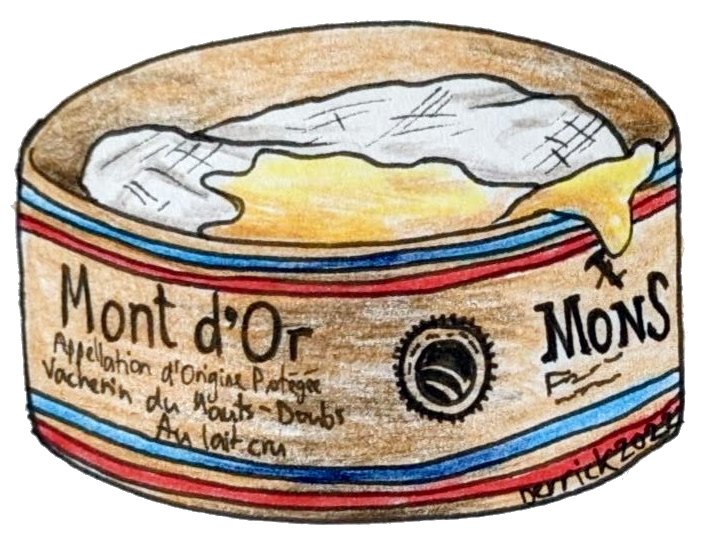
Mont d’Or, (also known as Vacherin de Hauts-Daubs) is a raw cow’s milk cheese developed in France-Comté, and also produced in Switzerland. First developed around 1280CE, it has AOC status. It is a soft cheese with a red washed rind and blue mould, wrapped in spruce tree bark to give it a distinctive aroma and strong and salty taste.
Munster
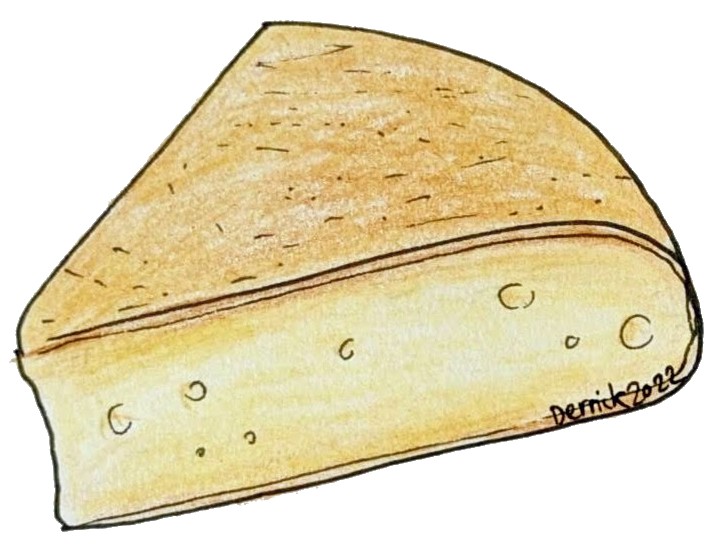
Munster is one of the most famous cheeses from the Alsace-Lorraine and France-Comté regions, anmed after the town of Munster. It was first created by monks, and today has AOC status. It is made of unpasteurised cow’s milk, and has a soft and creamy texture and strong, tangy taste and smell.
Niolo
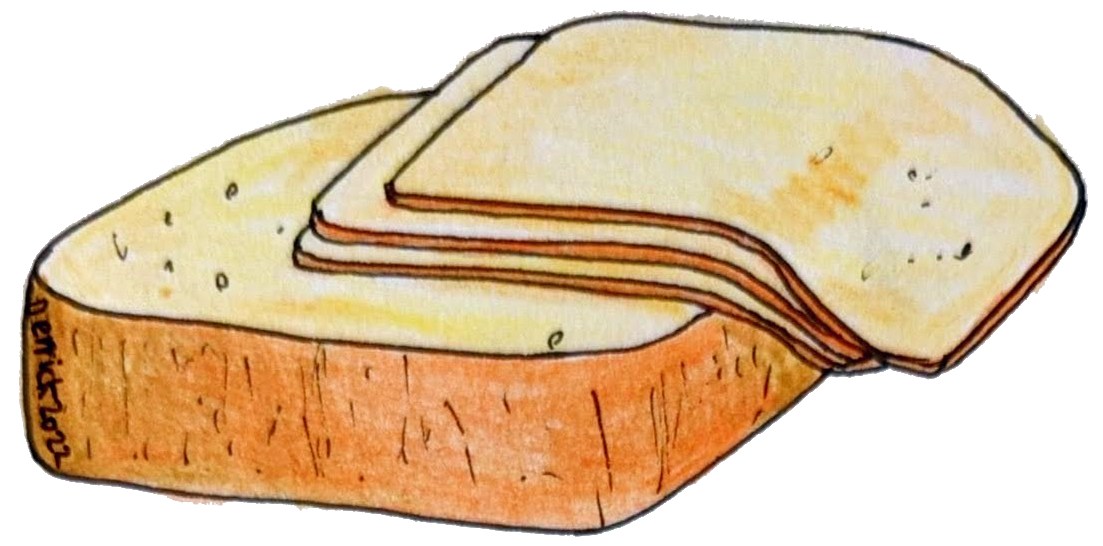
Produced on the island of Corsica, Niolo is a soft, creamy white cheese. It is made from unpasteurised goat milk. It has a strong smell and a distinctive nutty flavour.
Port Salut
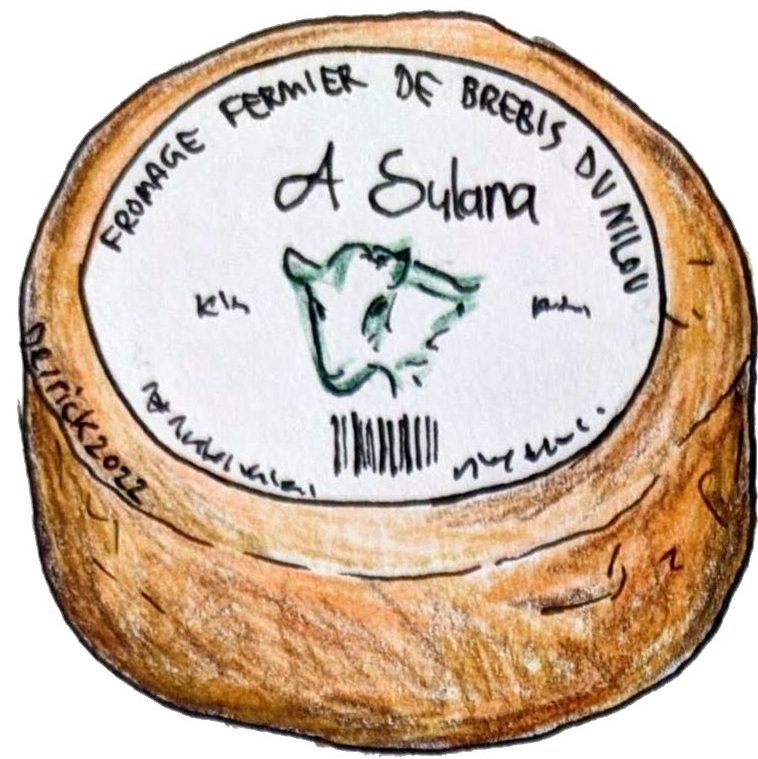
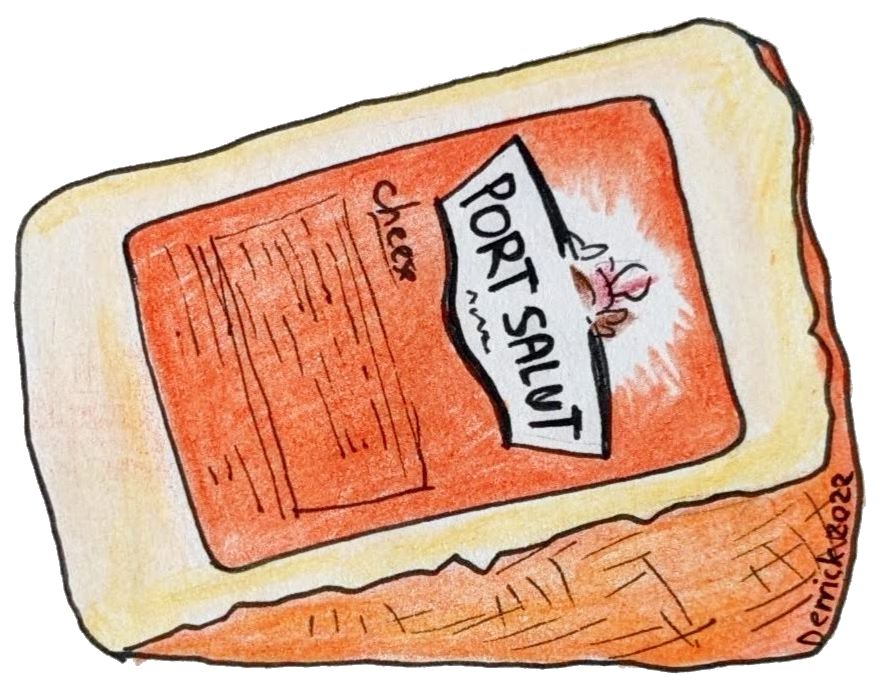
One of the most famous cheeses from Pays de la Loire is Port Salut, a pasteurised semi-soft cow’s milk. It has a characteristic orange rind, strong smell, and mild taste. It was first developed by Trappist monks during the 19th century, who brought cheese-making skills with them from abroad after fleeing the French Revolution in 1789. The cheese is produced in large 2kg discs and sold in wedges. Port Salut is best enjoyed with fruits, vegetables, or as part of a cheese platter.
Reblochon
One of France’s best known cheeses, AOC designated reblochon is a soft raw cow’s milk cheese from the Alpine region of Haute-Savoie. It is a washed-rind and smear-ripened cheese, with a soft texture and a strong, nutty taste. It is one of the key ingredients of the dish tartiflette.
Saint-Paulin
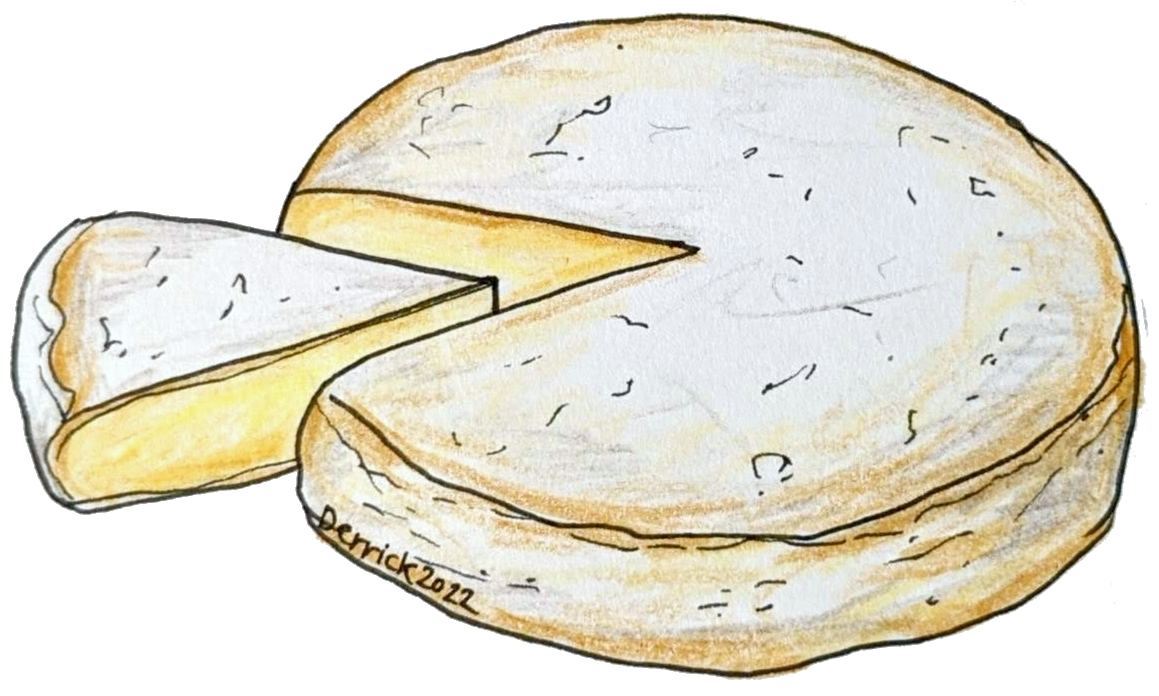
Saint-Paulin is one of the most popular cheeses of the Brittany region, a firm and creamy cheese with a nutty, milky taste, and originally produced by Trappist monks.
Tome de Rhuys
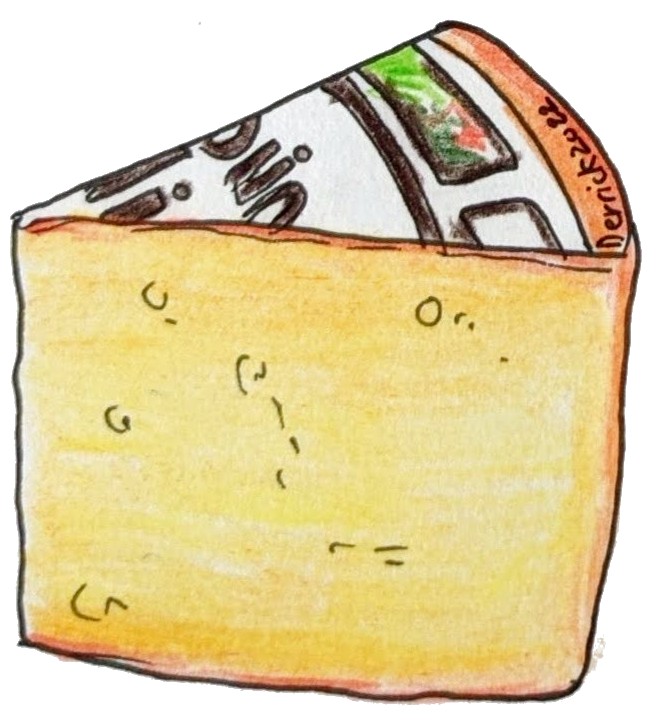
Tome de Rhuys is a raw cow milk cheese from the Rhuys Peninsula, Brittany. Made using milk from Breton pie noir cow breed, the 1.9kg wheels of cheese are rubbed with Saint-Armel salt, treated with cheese mites and flour mites, and matured for 70 days. It has a mild, fruity taste.
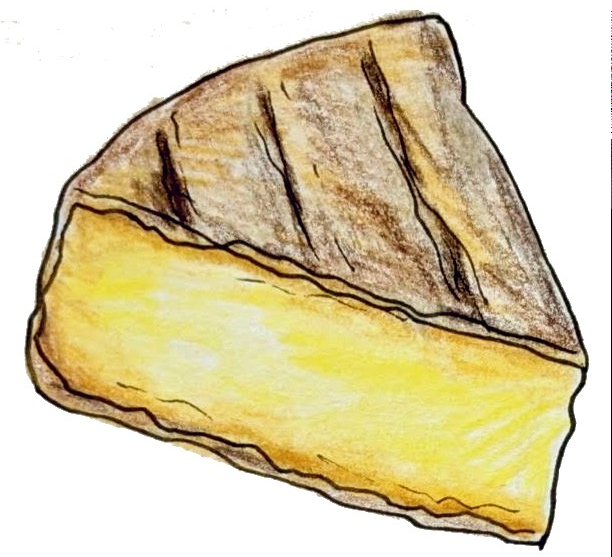
Pressed Cooked Cheese
Pressed cooked cheeses are pressed during ageing to remove moisture, and the curds are heated to dry them into rigid block or wheel shapes. They typically have mild taste and milky flavours. Examples include cantal and comté.
Cantal
Cantal is one of the oldest cheeses in France, an AOC certified raw cow’s milk cheese. It is a firm cheese with a natural rind and a pale yellow colour. It comes in two varieties; Cantal Fermier, which is made with raw cow’s milk, and Cantal Laitier, which is made with pasteurised milk and is more popular commercially. It has a fresh, milky and sweet taste when it is young, which becomes stronger and more creamy as it ages past 8 months.
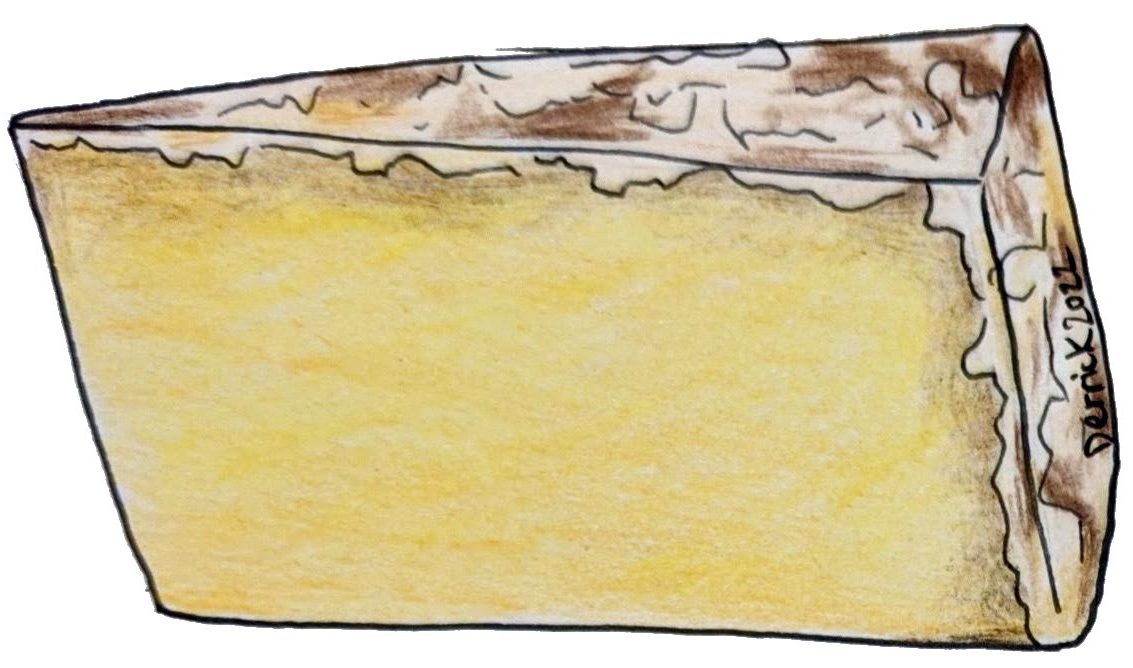
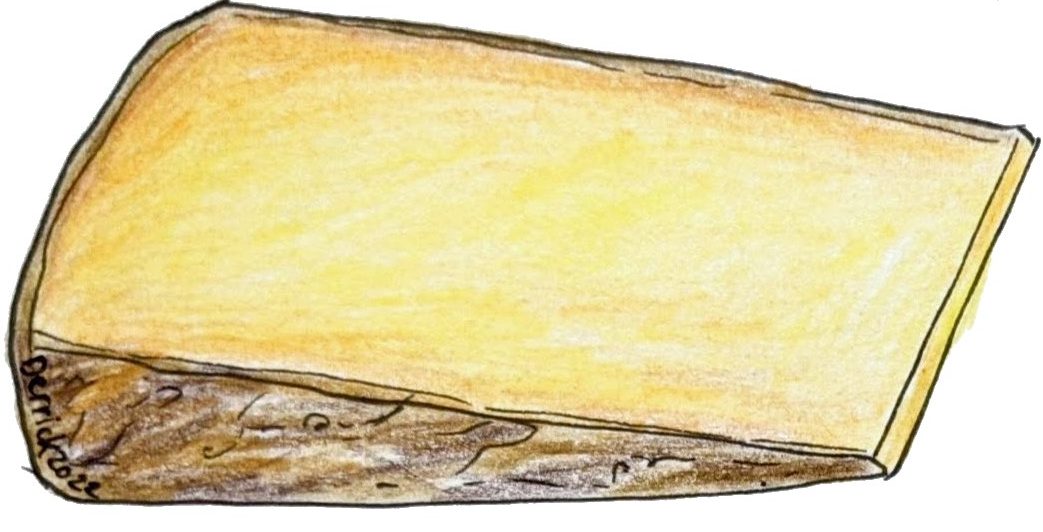
Comté
One of France’s most produced cheeses in Comté, an unpasteurised cows milk cheese from Franche-Comté. It is a semi-hard cheese made in large 40-70cm wheels, that can weigh up to 50kg. It has a hard and flexible texture, and mild taste.
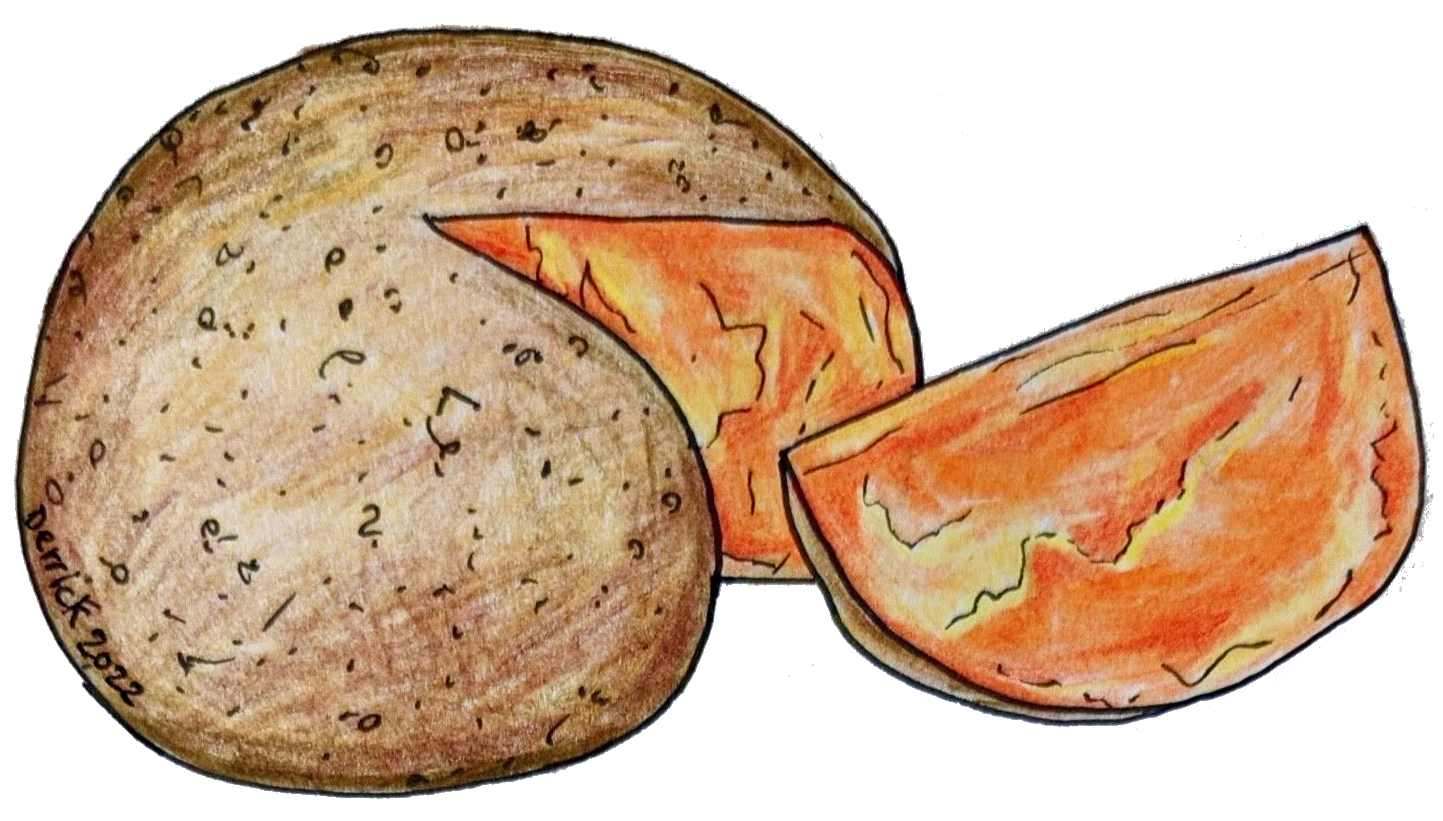
Mimolette
One of France’s most distinctive cheeses is mimolette, also called Boule de Lille (ball from Lille) after its spherical shape. Its size, shape, rind texture and interior colour make it look very similar to a cantaloupe melon. It was originally developed under the request of Louis XIV as a French version of the Dutch edam. Made from pasteurised cow’s milk, mimolette has a bright orange colour, grey pitted rind created by introducing cheese mites, and has a sharp taste the resembles parmesan when young, or salty and hazelnut-like when mature.
***
French cheese is some of the best cheese in the world, with a rich history of traditional cheesemaking techniques. By looking at all the different methods of producing cheese, we can see how diverse the world of French cheese is. Hopefully you’ll be inspired to try some of these amazing cheeses on your next visit to France!
5 thoughts on “Ultimate French Cheese Guide – 50 Iconic Fromages Français”
Comments are closed.
 StickyMangoRice
This is quite a post. One of the things we love about living in France is the cheese. We live in Camembert country so at our marche there are probably at least 30 brands. Then there is the price, the majority are 4€ or less, thus this cheese is almost a daily thing for me.
But your post has alerted me to a couple of new cheeses that I will have to look for, thanks so much
I’m glad you enjoyed the post! Nice to have the perspective of a local. Which new cheeses are now on your must-eat list?
Banon and Choumis, though Tricia might make me eat it outside.
What a great collection !
I love your drawings of the different kinds of cheese.
Thanks!